
Introduction
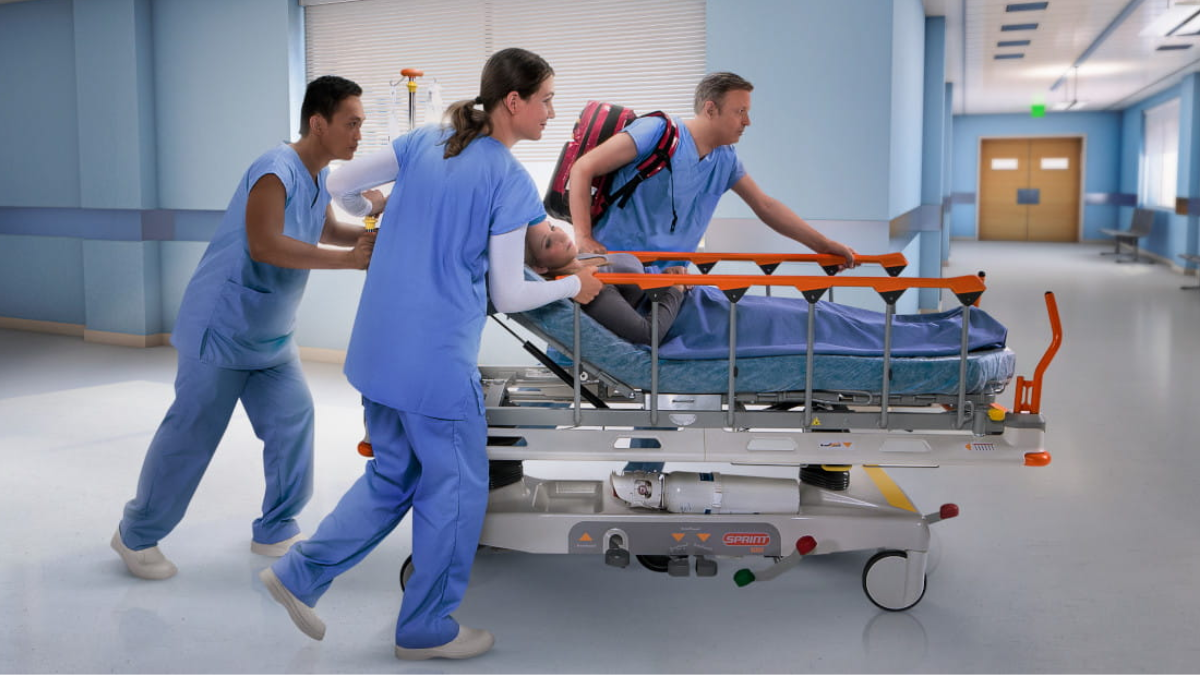
Emergency care is one of the most critical components of hospital services. In life-threatening situations, every second matters, and the efficiency of emergency response can mean the difference between life and death. Modern hospitals are continuously evolving to provide rapid, accurate, and comprehensive care to patients in emergencies.
Understanding Emergency Care
What is Emergency Care?
Emergency care, also known as acute care, is the medical treatment provided for sudden illnesses or injuries that require immediate attention. Common scenarios include:
- Heart attacks and strokes
- Severe trauma from accidents
- Respiratory distress
- Acute infections or allergic reactions
The primary goal is to stabilize the patient, prevent complications, and save lives.
Importance of Timely Intervention
In emergency care, time is critical. For example:
- In heart attacks, every minute of delay can lead to significant heart muscle damage
- For strokes, rapid treatment can prevent long-term neurological deficits
- Quick response in trauma cases can prevent life-threatening blood loss or organ damage
Hospitals have developed specialized protocols to ensure patients receive immediate and appropriate care.
Structure of an Emergency Department (ED)
Triage System
Triage is the process of prioritizing patients based on the severity of their condition. Key steps include:
- Rapid assessment of vital signs
- Categorization into critical, urgent, or non-urgent cases
- Allocation to appropriate treatment areas
Triage ensures that those in the most danger are treated first, optimizing outcomes.
Emergency Teams
Emergency departments are staffed with multidisciplinary teams, including:
- Emergency physicians
- Trauma surgeons
- Critical care nurses
- Paramedics and support staff
These teams work together under high-pressure conditions to provide efficient, lifesaving care.
Technology in Emergency Care
Advanced Diagnostic Tools
Modern emergency care relies on rapid diagnostics to make quick decisions. Technologies include:
- Portable X-rays and ultrasound machines
- CT and MRI scanners for critical imaging
- Point-of-care lab testing for blood and biochemical analysis
Electronic Health Records (EHRs)
EHRs help emergency teams access patient history instantly, ensuring faster and safer treatment decisions.
Telemedicine and Remote Consultation
For hospitals in rural areas or during mass emergencies, telemedicine enables remote consultation with specialists, accelerating critical care.
Life-Saving Protocols and Procedures
Cardiac and Stroke Care
Emergency departments follow standardized protocols for:
- Administering thrombolytic therapy for strokes
- Performing cardiac catheterization for heart attacks
- Monitoring vitals continuously in the ICU if needed
Trauma and Accident Response
For trauma patients, protocols include:
- Rapid assessment of injuries
- Immediate surgery if required
- Blood transfusion and stabilization in trauma bays
Infection and Sepsis Management
Early detection and prompt treatment of sepsis can dramatically reduce mortality rates. Emergency departments implement sepsis protocols with real-time monitoring and antibiotic administration.
Challenges in Emergency Care
Overcrowding
High patient volumes can delay critical care, making triage and resource management essential.
Staff Burnout
Emergency teams work in high-stress environments, which can impact performance and patient safety.
Coordination and Communication
Efficient emergency care requires seamless communication between departments, paramedics, and specialists to ensure no time is wasted.
The Future of Emergency Care
AI and Predictive Analytics
AI systems can predict patient deterioration, optimize triage, and allocate resources in real time, improving response times.
Robotics and Automation
Robotic systems assist in surgery, diagnostics, and patient monitoring, reducing human error and saving crucial minutes.
Mobile Emergency Units
Advanced ambulances equipped with digital monitoring, telemedicine, and portable diagnostic tools extend hospital-level care to the field, ensuring treatment begins immediately.
Conclusion
Emergency care in hospitals is a race against time. From triage systems and multidisciplinary teams to advanced technology and standardized protocols, every second counts in saving lives. Hospitals are continually innovating to enhance speed, accuracy, and efficiency in emergency response, ensuring that patients receive the best care at the most critical moments. The evolution of emergency care demonstrates how preparation, technology, and expertise combine to make hospitals lifesaving hubs in urgent situations.
FAQs
Q1. What is the primary purpose of emergency care in hospitals?
The primary purpose is to provide immediate medical attention to patients with life-threatening conditions to stabilize them and prevent complications.
Q2. How does triage work in emergency departments?
Triage prioritizes patients based on the severity of their condition, ensuring that the most critical cases are treated first.
Q3. What technologies are used in modern emergency care?
Technologies include portable imaging devices, point-of-care lab tests, electronic health records (EHRs), telemedicine, and AI-driven monitoring systems.
Q4. Why is timely intervention important in emergencies?
Every minute counts in emergencies like heart attacks, strokes, or severe trauma, as delays can lead to permanent damage or death.
Q5. How is the future of emergency care evolving?
Future emergency care will increasingly rely on AI, robotics, mobile emergency units, predictive analytics, and interconnected health systems to enhance patient safety and speed of treatment.
