
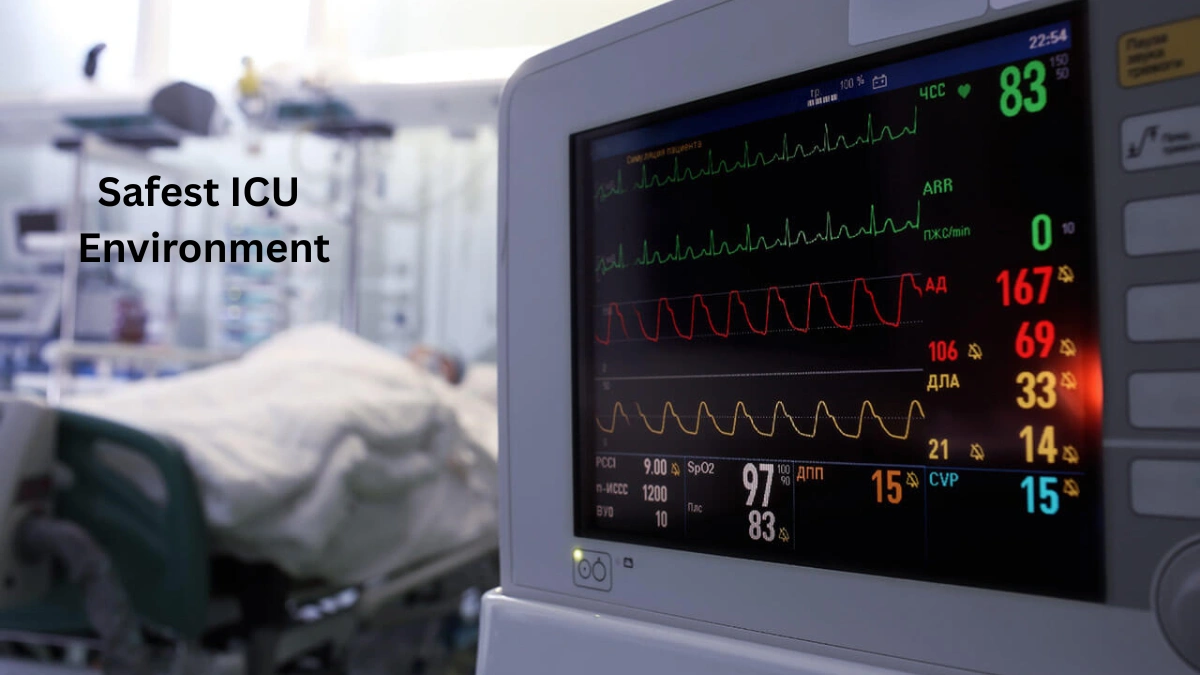
Learn how to choose a hospital with the safest ICU environment. A complete 2025 guide covering ICU quality, staffing, technology, safety protocols, accreditation, and patient outcomes.
Choosing a hospital with the safest ICU (Intensive Care Unit) environment is one of the most important decisions you may ever make—whether for yourself, a loved one, or as part of long-term healthcare planning. The ICU is where the sickest patients receive life-saving treatment, and the quality of care can significantly influence survival rates, recovery time, and long-term health outcomes.
In 2025, hospital safety standards, ICU technologies, infection-control systems, and medical protocols have advanced rapidly. Yet, ICU quality still varies widely from one hospital to another. Understanding what truly defines a “safe ICU environment” can help families make informed decisions during emotionally stressful situations.
This comprehensive guide will help you understand ICU safety metrics, recognize red flags, evaluate hospital quality, and choose the safest ICU environment with confidence.
1. Understanding the ICU Environment
The Intensive Care Unit is a specialized area within the hospital designed for patients with life-threatening illnesses, organ failure, severe infections, post-operative complications, or trauma. Because ICU patients require constant monitoring, advanced technology, and expert-level care, safety is not optional—it is the foundation of survival.
A safe ICU environment includes:
- Highly trained doctors, nurses, and specialists
- Advanced monitoring equipment
- Strict infection-control policies
- Rapid emergency response systems
- Evidence-based care protocols
- Transparent communication between teams and families
The more optimized an ICU is in these aspects, the better the chances of positive patient outcomes.
2. Why ICU Safety Matters
ICU safety directly affects:
Survival Rates
Hospitals with strong ICU safety standards have significantly lower mortality rates.
Complication Prevention
Medical errors, infections, ventilator problems, and medication mistakes are lower in safer ICUs.
Patient Recovery Speed
A safer environment reduces the risk of long-term complications and shortens hospital stay.
Emotional Well-being of Families
Families feel more confident and less stressed when treated by a highly coordinated ICU team.
Financial Burden
Safer ICUs often prevent costly complications and reduce unnecessary procedures.
3. Key Components of a Safe ICU
A safe ICU is built on seven pillars:
- Qualified medical staff
- Advanced machines and monitoring systems
- Infection prevention tools
- Strict medication safety protocols
- Well-defined emergency response systems
- Clear communication and documentation
- Accreditation and adherence to global standards
4. Hospital Accreditation and ICU Quality Standards
Accreditation ensures that a hospital complies with international patient-safety standards. Some of the most trusted accreditation bodies include:
- Joint Commission International (JCI)
- National Accreditation Board for Hospitals (NABH)
- Magnet Recognition for nursing excellence
- ISO certifications
- CAP accreditation for laboratories
Accreditation ensures:
- Standardized ICU protocols
- Quality audits
- Regular staff training
- Safety guidelines for medication, equipment, and procedures
A hospital without accreditation should immediately be considered a red flag.
5. Nurse-to-Patient Ratios and Staffing Quality
ICU patients require continuous observation. If the nurse is handling too many patients, errors increase.
Recommended nurse-to-patient ratios:
- 1:1 for critical patients (ventilator support, unstable condition)
- 1:2 for moderately critical patients
- 1:3 ONLY for stable ICU patients
Why this matters?
- Nurses catch problems early
- Medication errors reduce
- Patient monitoring improves
- Life-saving interventions happen faster
High nurse turnover is another red flag, as it often indicates poor working conditions or inadequate ICU management.
6. ICU Infrastructure, Technology, and Equipment
A safe ICU must be equipped with:
Life-support Machines
- Ventilators
- Infusion pumps
- Dialysis machines
- Defibrillators
- ECMO machines (for advanced care)
Monitoring Systems
- Continuous ECG
- Blood pressure
- Oxygen saturation
- Integrated alarms
Room Design
- Negative-pressure rooms for infections
- Separate areas for post-operative care
- Adequate spacing to prevent contamination
Technology should be upgraded and maintained regularly. Broken equipment or outdated machines are significant safety threats.
7. Infection Control and Hygiene Measures
Hospital-acquired infections (HAIs) are one of the biggest dangers in ICUs. The safest ICUs practice:
Strict Hygiene Protocols
- Hand-sanitizing stations
- PPE for staff
- Disposable medical supplies
- Regular cleaning cycles
Infection Surveillance
Monitoring infections like:
- Sepsis
- Ventilator-Associated Pneumonia (VAP)
- Catheter-Associated UTIs (CAUTI)
- Bloodstream infections
Isolation Policies
Critical infectious patients must be separated.
If an ICU cannot demonstrate infection-control performance, it may be unsafe.
8. Monitoring Systems and Patient Safety Technology
Modern ICUs use advanced monitoring technologies that help reduce deaths.
Features of Safe ICU Monitoring Systems
- Automatic alarms
- Real-time oxygen and blood pressure tracking
- Central monitoring station
- Smart ventilator systems
- AI-based alert systems (in modern hospitals)
Better monitoring leads to faster intervention and safer outcomes.
9. Multidisciplinary ICU Care Teams and Their Roles
A safe ICU requires coordinated teamwork, including:
- Critical Care Specialists
- ICU Nurses
- Respiratory Therapists
- Pharmacists
- Anesthesiologists
- Dieticians
- Physiotherapists
- Infection-Control Specialists
When teams communicate well, patient safety drastically increases.
10. Patient Outcomes and ICU Mortality Rates
Every hospital should publicly report:
- ICU mortality rate
- Infection rate
- Re-admission rate
- Ventilator complication rate
- Treatment success metrics
Hospitals with consistently high mortality or infection rates should be avoided.
11. How to Evaluate a Hospital’s ICU Before Choosing It
Here’s how families can make informed decisions:
Check ICU Reputation
Ask doctors, former patients, and independent healthcare reviews.
Study Accreditation
Check if ICU follows global medical standards.
Visit the ICU if possible
Observe cleanliness, equipment, and staff behaviour.
Assess Staff Communication
Good ICUs explain conditions clearly.
Check Availability of Critical Equipment
Ensure ventilators, oxygen systems, and monitors are always available.
12. Questions to Ask When Selecting an ICU
- What is the nurse-to-patient ratio?
- Is the ICU doctor available 24/7?
- What is your mortality rate for ICU patients?
- What infection-control measures do you follow?
- How often is equipment serviced?
- What technologies are used for monitoring patients?
- Are specialists available at any time (cardiologist, neurologist, etc.)?
Hospitals with transparent answers are usually safer.
13. ICU Safety Checklists for Families
Use this checklist:
Must-Have Elements
- Accredited hospital
- 24/7 intensivist availability
- Strict infection protocols
- Advanced ventilators and monitors
- Emergency response systems
- Experienced nurses
- Transparent communication
Quality Indicators
- Low infection rates
- Clean environment
- Regular sterilization
- Updated technology
14. Red Flags to Avoid in an ICU
- Unclean surroundings
- Shortage of trained nurses
- Poor staff communication
- Outdated machines
- Overcrowding
- Hidden charges
- High mortality and infection rates
- Lack of transparency in patient updates
Any of these signs mean the ICU may not be safe.
15. How ICU Specialization Impacts Safety
Specialized ICUs deliver better outcomes:
- Cardiac ICU
- Neuro ICU
- Trauma ICU
- Surgical ICU
- Neonatal ICU (NICU)
- Pediatric ICU (PICU)
Choosing the right specialized ICU improves recovery chances.
16. Pediatric, Neonatal, and Adult ICUs – What’s Different?
NICU focuses on newborns
Includes incubators, neonatal ventilators, and infection-free environments.
PICU focuses on children
Requires child-specialized doctors and equipment.
Adult ICUs handle adults
Broadly structured with general and specialized units.
Each requires different safety protocols depending on patient needs.
17. The Role of Family-Centered ICU Care
Hospitals that involve family members in care decisions are statistically safer. Family participation helps:
- Improve emotional support
- Prevent misunderstandings
- Track small changes in patient condition
18. ICU Visiting Policies and Their Impact on Safety
Safe ICUs allow regulated but not overly restrictive visits. This helps:
- Reduce patient stress
- Improve family communication
- Maintain infection-control balance
Overly restrictive ICUs may lack transparency.
19. Transparency, Reporting, and Hospital Reputation
A safe ICU is always transparent.
Reliable hospitals provide:
- Patient progress updates
- Clear treatment plans
- Accurate cost breakdowns
- Daily medical reports
If a hospital avoids sharing details, consider it a warning sign.
20. Final Tips for Choosing the Safest ICU Environment
- Choose accredited hospitals
- Check experience of doctors and nurses
- Look at infection and mortality rates
- Prioritize hospitals with modern technology
- Observe cleanliness and hygiene
- Ask questions and expect clear answers
- Trust hospitals with strong reputations
A safe ICU combines advanced technology, strict hygiene, skilled staff, and transparent communication. With the right knowledge, you can make an informed decision and ensure the best possible care.
FAQs
Q1. What makes an ICU safe?
A safe ICU has trained staff, modern monitoring systems, strict hygiene protocols, and high survival rates.
Q2. How can I check if a hospital’s ICU is good?
Look for accreditation, patient reviews, infection rates, nurse-to-patient ratios, and advanced technology.
Q3. Why is the nurse-to-patient ratio important in the ICU?
Lower ratios ensure constant monitoring and reduce medical errors.
Q4. Do ICU technologies impact patient safety?
Yes. Modern ventilators, smart monitors, and alarm systems significantly improve patient outcomes.
Q5. What is the most important factor when choosing an ICU?
Accreditation, staff expertise, infection control, and real-time monitoring systems are the top priorities.
