
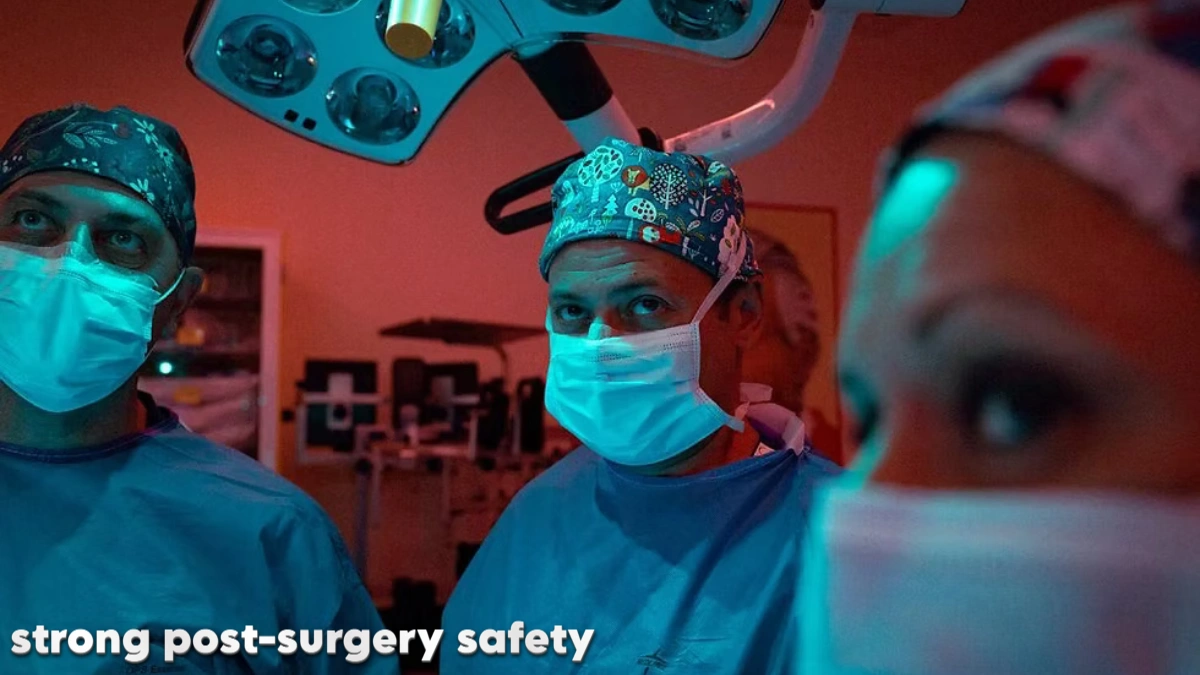
Discover how to identify a hospital with strong post-surgery safety. Learn key indicators, quality metrics, accreditation, patient outcomes, and expert tips.
Introduction
Choosing the right hospital for surgery is one of the most critical decisions you will ever make. A successful operation does not depend only on the surgeon’s expertise, the quality of medical equipment, or the complexity of the procedure. One of the biggest contributors to a positive outcome is post-surgery safety — a hospital’s ability to prevent complications, infections, medical errors, readmissions, or avoidable deaths.
Post-surgical safety includes everything that happens from the moment an operation ends: recovery room monitoring, pain management, infection control, antibiotic stewardship, follow-up protocols, and emergency responses. Hospitals with strong post-surgery safety consistently maintain low complication rates, invest in trained staff, use modern safety technologies, and follow globally accepted standards.
This comprehensive guide will walk you through exactly how to identify a hospital with strong post-surgery safety, how to evaluate each factor step by step, and what signs indicate that a hospital may not meet high safety standards. If you’re preparing for surgery or helping a family member choose a medical facility, this guide will give you clarity, confidence, and a strong decision-making framework.
1. What Is Post-Surgery Safety and Why Does It Matter?
Post-surgery safety refers to all systems, protocols, and behaviors designed to protect a patient after a surgical procedure. For many people, surgery itself is not the biggest concern — complications afterward are. In fact, global research shows that a high percentage of healthcare-related harm occurs after the surgery, not during the operation.
Why post-surgery safety matters
- It reduces the risk of surgical site infections (SSIs).
- It minimizes medical errors such as wrong medication or incorrect dosage.
- It helps identify complications early, preventing severe outcomes.
- It improves long-term recovery and reduces readmission.
- It increases patient satisfaction and confidence.
- It lowers healthcare costs by preventing avoidable hospital stays.
A hospital committed to post-surgery safety shows proactive behavior rather than reactive care. Their systems are designed to protect patients before something goes wrong.
2. Key Indicators of a Hospital With Strong Post-Surgery Safety
Below are the most important quality indicators you should evaluate.
2.1 Low Complication Rates
A hospital with strong post-surgery safety has consistently low rates of:
- Postoperative infections
- Blood clots
- Internal bleeding
- Respiration complications
- Unplanned transfers to ICU
- Adverse drug reactions
- Long recovery durations
These numbers are usually monitored internally, but many hospitals also publish them voluntarily to build transparency.
What to look for
- Hospitals openly sharing post-surgical infection rates
- Clear benchmarks compared to national or international averages
- Consistent performance over multiple years
2.2 Low Readmission Rates
A high readmission rate often indicates poor post-surgery safety. Patients returning within 30 days may suggest:
- Improper wound care
- Inadequate follow-up monitoring
- Poor medication management
- Complications not addressed early
Questions to ask
- What is the hospital’s 30-day readmission rate?
- What steps are taken to reduce avoidable readmissions?
- Does the hospital provide high-quality discharge planning?
2.3 Accredited and Certified Hospital
Globally recognized healthcare accreditations are strong proof of safety commitment. Accredited hospitals undergo regular evaluations, staff audits, reviews of safety policies, and on-site inspections.
Accreditations that matter
- Joint Commission International (JCI)
- National Accreditation Board for Hospitals (NABH)
- ISO certification for quality and safety
- Country-specific healthcare safety authorities
These certifications indicate strong postoperative protocols.
2.4 Experienced Surgeons and Nursing Team
Post-surgery safety depends heavily on the hospital’s staff competence. Surgeons, anesthesiologists, ICU specialists, and nurses play a critical role.
What indicates a strong team
- Surgeon’s years of experience with the specific procedure
- Nurse-to-patient ratio
- 24/7 availability of trained ICU staff
- Experienced anesthesiologists for postoperative pain control
- Ongoing staff training and safety workshops
A well-trained nursing team is essential because most postoperative monitoring is done by nurses.
2.5 Advanced Infection Prevention Systems
Infections are one of the most common post-surgical complications. Hospitals with strong safety systems use modern infection-control technology.
What to check
- Strict sterilization protocols
- Use of HEPA filters in operating rooms
- Advanced surgical instruments with disposable components
- Proper hand hygiene compliance
- Isolation rooms for infectious cases
- Real-time infection monitoring systems
Hospitals that track and report infection control data usually maintain higher safety standards.
2.6 Use of Modern Technology and Patient Monitoring Tools
Technology plays a powerful role in reducing human error. Hospitals with strong safety use:
- Electronic Health Records (EHRs)
- Barcode medication administration
- Smart infusion pumps
- Digital vitals monitoring
- Telemetry for cardiac patients
- AI-powered early warning systems
These systems detect complications early and prevent avoidable errors.
2.7 Strong Communication and Transparency
Transparent hospitals are usually safer.
Signs of transparency
- Doctors explain every detail clearly
- Staff respond quickly
- Hospital provides written recovery instructions
- No hidden costs
- Complication risks are openly discussed
Clear communication helps patients make informed decisions about postoperative care.
2.8 Patient-Centered Care Environment
Strong post-surgery safety is closely tied to hospitals that treat patients as partners, not just cases.
Look for:
- Cleanliness and hygiene
- Two-way communication with families
- Respectful treatment
- Support programs (nutrition, counseling, physiotherapy)
- Comfortable recovery rooms
A patient-focused approach improves healing and reduces stress.
3. Red Flags: Signs a Hospital May Not Be Safe for Post-Surgery Care
Avoid hospitals that show the following signs:
3.1 Poor Infection Control
- Dirty environment
- Unwashed bedsheets
- Unhygienic bathrooms
- Staff not using gloves or sanitizers
3.2 High Patient Load and Low Staffing
If nurses are overworked, monitoring becomes weak — leading to delayed detection of complications.
3.3 Lack of Transparency
- No access to safety reports
- Doctors do not communicate clearly
- Hidden charges
3.4 Outdated Facilities
Old equipment and expired supplies can increase risks.
3.5 Frequent Negative Reviews
Patient feedback reveals real-world outcomes that hospitals may hide.
4. How to Evaluate a Hospital Step-by-Step
A practical checklist to identify a safe post-surgery hospital:
Step 1: Research Hospital Safety Ratings
Look for:
- Infection rates
- Mortality statistics
- Complication data
- Readmission rates
Step 2: Assess Surgeon Expertise
Ask:
- How many surgeries has the doctor performed?
- What are success and complication rates?
Step 3: Evaluate Surrounding Environment
- Clean rooms
- Sanitized wards
- Efficient waste disposal
- Clean air and ventilation
Step 4: Check Postoperative Facilities
- ICU
- Step-down units
- Rehabilitation centers
- Pain management department
- Emergency response team
Step 5: Review Patient Feedback
Genuine reviews reveal:
- Staff behavior
- Error incidents
- Recovery experiences
Step 6: Ask About Follow-Up Care
Hospitals with strong safety provide:
- Scheduled follow-ups
- Teleconsultations
- Detailed wound care instructions
- 24/7 helpline
5. Role of Nursing Staff in Post-Surgery Safety
Nurses play a central role in maintaining postoperative safety.
Their responsibilities include:
- Monitoring vitals
- Managing wounds
- Administering medication
- Providing emotional support
- Identifying early signs of infection
- Coordinating with doctors
A strong nurse-patient ratio is one of the best predictors of safety.
6. Importance of ICU and Emergency Readiness
Post-surgery complications can develop suddenly. A hospital must have:
- A fully equipped ICU
- Rapid response teams
- Ventilators
- Emergency surgeons
- Blood banks
- Cardiac support
Hospitals with emergency readiness reduce mortality rates significantly.
7. How Hospital Infrastructure Impacts Safety
Key infrastructure elements include:
- Modular operation theatres
- Advanced sterilization systems
- Backup power supply
- Infection-proof flooring
- Air-filtered environments
- Specialty recovery wards
A modern infrastructure reduces contamination and improves monitoring.
8. Role of Technology in Post-Surgery Safety
Technology reduces human error.
Technologies that matter:
- AI-based sepsis detection
- Robotic surgery
- Smart monitoring apps
- Automated drug dispensing
- Digital wound imaging
Such tools improve accuracy and patient outcomes.
9. Why Hospital Culture Matters
A hospital’s culture defines how seriously it treats safety.
Signs of a strong safety culture:
- Staff openly discuss errors
- Leadership invests in training
- Zero-tolerance for hygiene lapses
- Continuous improvement programs
Hospitals with a strong culture perform better consistently.
10. Essential Questions You Should Ask Before Choosing a Hospital
- What are your post-surgery complication rates?
- How do you control infections?
- How often are surgical instruments sterilized?
- Do you use advanced monitoring systems?
- What is the nurse-to-patient ratio?
- What is the readmission rate for this surgery?
- Is the hospital accredited?
- How does the hospital handle emergencies?
- What is included in the recovery plan?
- Are family members allowed during recovery?
Asking these questions builds clarity and trust.
11. Benefits of Choosing a Hospital With Strong Post-Surgery Safety
- Faster recovery
- Lower infection risk
- Better long-term health
- Fewer complications
- Peace of mind
- Lower overall costs
A safer hospital leads to better surgical outcomes.
12. Final Checklist: How to Identify a Safe Hospital
✔ Low complication rates
✔ Low readmission rates
✔ Accredited facility
✔ Experienced staff
✔ Strong infection control
✔ Modern technology
✔ Patient-focused care
✔ Clean environment
✔ Good reviews
✔ Emergency readiness
If a hospital meets 8 or more of these criteria, it is considered highly safe.
Conclusion
Identifying a hospital with strong post-surgery safety is not optional — it is essential. By understanding the indicators of high-quality postoperative care, asking the right questions, and observing details about the facility, you can make a confident and informed decision.
A safe hospital protects patients from unnecessary complications, supports a smooth recovery, and ensures long-term health. When you know what to look for, you can choose a facility that delivers not only successful surgery but also excellent postoperative care.
FAQs
1. What is post-surgery safety in a hospital?
It refers to the hospital’s systems and practices that protect patients from complications after surgery, such as infections, errors, or readmissions.
2. Why is infection control important for post-surgery patients?
Post-surgical infections can lead to serious complications. Strong infection-control systems significantly reduce these risks.
3. How do I check if a hospital is safe for my surgery?
Evaluate accreditation, infection rates, surgeon experience, cleanliness, equipment quality, and patient reviews.
4. Does technology improve post-surgery safety?
Yes. Tools like EHRs, smart monitors, and robotic systems reduce the chances of human errors.
5. What questions should I ask my surgeon about post-surgery risks?
Ask about complication rates, pain management, infection prevention, follow-up visits, and recovery duration.
