
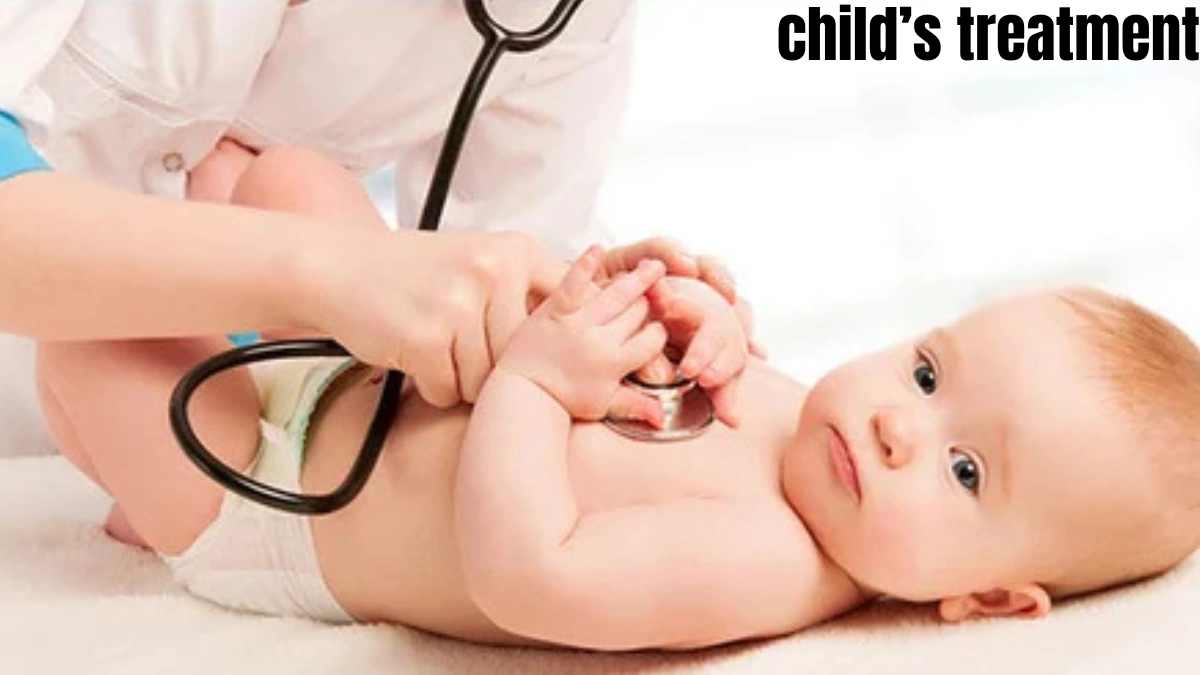
Discover how to choose the right hospital for your child’s treatment with this complete parent-friendly guide covering specialties, facilities, doctors, safety, and cost factors.
Choosing the right hospital for your child is one of the most important decisions a parent can make. When a child becomes sick, needs surgery, or requires emergency care, parents naturally want the best medical help possible. However, with countless hospitals, specialty centers, and pediatric clinics available, the process can become confusing and overwhelming. Many parents struggle to find reliable information, compare hospitals, and understand what truly matters when selecting a healthcare facility for their child.
This comprehensive guide is designed to simplify the decision-making process. It explains the major factors parents should evaluate, from infrastructure and pediatric specialists to hygiene, NICU/PICU facilities, emergency care, insurance support, affordability, patient reviews, and more. Whether you are choosing a hospital for a routine check-up or a serious medical condition, this article provides actionable insights to help you make an informed, confident, and safe decision.
1. Understand Your Child’s Medical Needs
The most important step in choosing the right hospital is understanding the nature of your child’s medical condition. Not all hospitals offer specialized pediatric services, and not all conditions require the highest level of care. The type of hospital you select will depend heavily on your child’s specific needs.
Types of Medical Needs and Suitable Hospitals
- Routine Care Needs
If your child only requires vaccinations, fever management, or general check-ups, a small pediatric clinic or children’s hospital outpatient department may be sufficient. - Chronic Illnesses
For conditions such as asthma, diabetes, epilepsy, or congenital diseases, you should prefer hospitals with a full-fledged pediatrics department and long-term monitoring facilities. - Surgery or Specialized Treatment
Children needing surgery—like heart surgery, neurosurgery, orthopedic surgery, or neonatal surgery—require a hospital with pediatric surgeons and a well-equipped operating room. - Emergency Cases
Severe injuries, breathing issues, poisoning, or sudden high fever demand hospitals with 24/7 emergency services and pediatric critical-care specialists. - Newborn or Neonatal Care
Premature babies or newborns with complications need hospitals with NICU (Neonatal Intensive Care Unit) and trained neonatologists.
Understanding the severity and type of condition helps you shortlist hospitals better and avoid unnecessary travel or costs.
2. Check Whether the Hospital Has a Dedicated Pediatrics Department
Hospitals that specialize in children’s healthcare provide better outcomes due to their child-friendly environment and specialized expertise. Pediatric departments are staffed with doctors who understand childhood diseases, child psychology, and developmental needs.
Why a Pediatric-Specific Hospital Matters
- Children are not small adults — their bodies respond differently to diseases and medications.
- Pediatric hospitals use child-sized equipment such as ventilators, masks, needles, and monitors.
- Staff members are trained to handle children with more care and patience.
- These hospitals often offer child psychologists, speech therapists, and developmental experts.
Must-Have Sub-Departments in a Top Pediatric Hospital
- Pediatric Emergency Care
- Pediatric ICU (PICU)
- Neonatal ICU (NICU)
- Pediatric Surgery
- Pediatric Cardiology
- Pediatric Neurology
- Pediatric Orthopedics
- Pediatric Oncology
- Child Nutrition & Dietetics
- Pediatric Physiotherapy
Choosing a hospital with a complete pediatric department ensures overall and long-term support.
3. Evaluate the Hospital’s Medical Infrastructure
A hospital’s infrastructure plays a major role in determining treatment quality. Even the best doctors need advanced tools and equipment to provide accurate diagnoses and effective treatment.
Key Infrastructure Elements to Look For
- Child-Friendly Emergency Department
- 24/7 availability
- Pediatric ventilators
- Resuscitation equipment
- Quick lab and imaging support
- Pediatric Operation Theaters
Operation rooms built specifically for children ensure safety during surgery. - NICU & PICU Facilities
Hospitals with Level II or Level III NICU are essential for premature or high-risk newborns. - Diagnostic Support
- Digital X-ray
- CT scan / MRI
- Ultrasound
- Blood tests available round-the-clock
- Ambulance and Transport Services
Pediatric ambulances with oxygen support are crucial during emergencies. - Hygiene Standards
- Child-safe sanitized environments
- Separate wards for infection control
- Proper waste disposal
A hospital with strong infrastructure provides faster, safer, and more accurate treatment outcomes.
4. Check Doctor Qualifications, Experience & Specialization
The expertise of the doctor is one of the most critical factors. Parents should look for specialist pediatricians or pediatric surgeons who have years of experience and a track record of successful treatments.
What to Check in a Pediatric Doctor?
- Qualifications (MBBS + MD/DNB Pediatrics or Super-specialty degrees)
- Experience with children of similar age and condition
- Communication skills
- Availability during emergencies
- Patient reviews and ratings
- Participation in research or training programs
For surgeries or critical conditions, check the surgeon’s success rate and experience with pediatric cases. A specialist who communicates openly and answers questions patiently is always a better choice for your child’s long-term care.
5. Assess Hospital Safety Standards & Accreditation
Hospital accreditation is a sign of trust, safety, and high-quality care.
Important Safety Certifications to Look For
- National hospital accreditation boards
- In-house quality control
- Safety audits and hygiene protocols
- Infection control policies
- Child-safe equipment and rooms
A safe hospital reduces treatment risks and ensures better recovery for children.
6. Review Patient Feedback, Ratings & Testimonials
Reading reviews can give real insights into the hospital’s functioning.
What to Look For in Reviews
- Waiting times
- Staff behaviour
- Cleanliness
- Emergency handling
- Pediatrician attitude
- Billing transparency
- Treatment success stories
Reviews from parents of children with similar conditions are especially helpful.
7. Consider Cost, Billing Transparency & Insurance Coverage
Healthcare expenses can vary widely between hospitals. Always consider affordability and cost clarity to avoid unexpected bills.
Things to Check
- Treatment package cost
- Room charges
- Doctor consultation fees
- ICU/NICU daily charges
- Surgery costs
- Medication and lab test fees
- Insurance acceptance
- Cashless facilities
A hospital with transparent pricing and insurance support reduces financial stress during emergencies.
8. Location, Travel Distance & Accessibility
In emergencies, minutes matter. Parents should choose a hospital that is:
- Easily reachable
- Located near home
- Accessible by ambulance
- Not overcrowded and has manageable traffic routes
For chronic care, location may be less important, but for emergencies, close proximity is crucial.
9. Child-Friendly Environment & Emotional Support
Hospitals can be scary for children. A good pediatric hospital provides a friendly and comforting environment.
Things to Look For
- Bright and cheerful interiors
- Play areas
- Child counselors
- Friendly nurses
- Distraction tools (toys, cartoons, books)
Emotional comfort helps children admit treatment more easily and recover faster.
10. Emergency Response & Disaster Preparedness
Strong emergency response systems ensure immediate attention when needed.
Key Indicators
- 24/7 pediatric emergency team
- Quick response time
- Well-equipped trauma care
- Trained pediatric emergency specialists
- Oxygen, ventilators, and AED availability
Hospitals with a strong emergency department often save lives during sudden health complications.
11. Multi-Disciplinary Team Support
Children with complex conditions may require multiple specialists.
Examples
- Pediatric neurologist + pediatrician + physiotherapist
- Pediatric cardiologist + pediatric surgeon
- Speech therapist + developmental pediatrician
- Dietician + endocrinologist
A multi-disciplinary team ensures holistic treatment and long-term support for child development.
12. Availability of Support Services
Certain additional services improve overall healthcare quality.
Important Support Services
- Pharmacy inside the hospital
- Round-the-clock laboratory
- Imaging centers
- Counseling and mental health support
- Physiotherapy
- Nutrition and diet services
Availability of these services ensures smoother and faster care without external visits.
13. Compare Multiple Hospitals Before Final Decision
Shortlist at least 3–5 hospitals and compare them on:
- Facilities
- Cost
- Doctor experience
- Reviews
- Emergency support
- Insurance facilities
Comparing helps parents make the best decision based on real data.
14. Visit the Hospital Before Finalizing
A physical visit helps you understand the environment and staff behavior.
What to Check During the Visit
- Cleanliness
- Room condition
- Staff interaction
- Waiting times
- Child-friendly setup
- Medical equipment
- Crowd management
This helps verify the hospital’s claims in real-time.
15. Trust Your Parental Instincts
After comparing facts and feedback, go with a hospital where you feel comfortable and confident. Parents’ instincts about a place often come from observation and emotional connection.
16. When to Change Your Child’s Hospital
You may consider switching if:
- Treatment is not effective
- Doctors are unresponsive
- Hospital lacks important facilities
- Costs are too high
- You feel uncomfortable with the environment
Your child deserves the best care, and changing hospitals is acceptable if it improves treatment quality.
Conclusion
Choosing the right hospital for your child’s treatment is a serious responsibility, but with the right approach, parents can make a safe and confident decision. By evaluating factors such as pediatric specialization, infrastructure, doctor experience, safety standards, emergency services, cost, and emotional support, parents can ensure their child receives the highest quality care. A good hospital not only treats illnesses but also provides comfort, confidence, and long-term guidance for healthy child development.
FAQs
1. How do I know if a hospital is good for children?
Check if it has a dedicated pediatrics department, child-friendly environment, PICU/NICU facilities, experienced pediatric doctors, and positive reviews from other parents.
2. Which type of hospital is best for child emergencies?
A hospital with a pediatric emergency department, 24/7 doctors, ventilators, and immediate diagnostic support is ideal.
3. How important is NICU and PICU for child treatment?
Very important for newborns, infants, and critical cases. Choose hospitals with Level II or Level III NICU for premature or high-risk babies.
4. Should we consider cost before selecting a hospital?
Yes, especially for long-term treatments or surgeries. Always ask for cost transparency and check insurance coverage.
5. Can I change my child’s hospital mid-treatment?
Yes. If you feel unsafe, unheard, or unsatisfied with the care, switching hospitals is absolutely acceptable.
6. Are children’s specialty hospitals better than general hospitals?
Generally yes, because they are equipped with child-specific infrastructure, trained pediatric staff, and specialized departments.
7. How far should a good hospital be from home?
Preferably within 30–45 minutes, especially for emergencies. For chronic care, distance is less important.
