
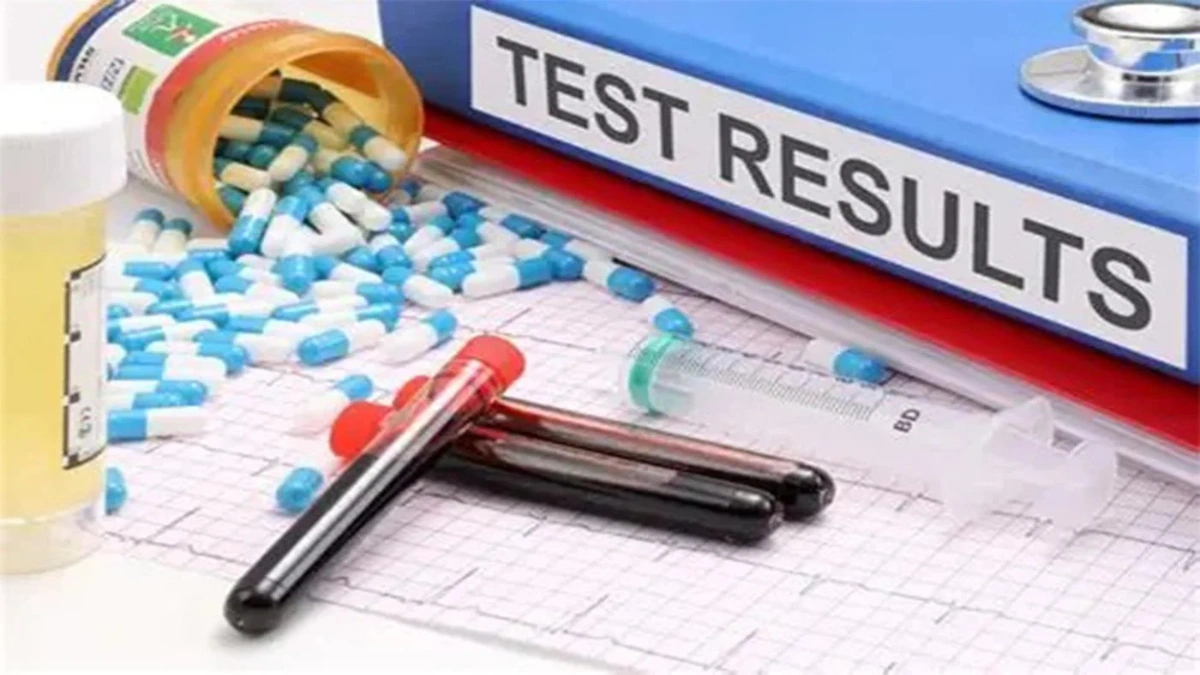
Discover where to get accurate and fast medical test results, including hospitals, diagnostic labs, home testing services, and best practices for reliable reports.
Getting medical tests done can be stressful, especially when you need accurate and fast results for diagnosis, treatment, or routine health checks. Whether it’s blood tests, imaging scans, pathology reports, or preventive screenings, choosing the right place makes all the difference.
This guide explains where to get reliable and quick medical test results, what factors you should consider, the advantages of different testing options, and how to ensure the reports you receive are trustworthy.
1. Why Accurate and Fast Medical Test Results Matter
Medical test results form the backbone of modern healthcare decisions. Your doctor relies on them to:
- Diagnose diseases
- Plan treatment
- Monitor ongoing medical conditions
- Detect issues early
- Evaluate lifestyle and nutritional needs
- Track recovery progress
But inaccurate or delayed results can cause:
- Wrong diagnosis
- Misleading treatment
- Unnecessary stress
- Delayed care
- Repeated tests (extra cost)
That’s why choosing the right diagnostic center is crucial.
2. Types of Medical Tests You May Need
Before choosing where to get tested, it helps to know what type of test you require. Medical tests fall into several categories:
a. Pathology Tests (Lab Tests)
These include blood, urine, stool, biopsy, and body fluid tests:
- CBC
- Thyroid panel
- Lipid profile
- Liver & kidney function
- Diabetes tests
- Infection markers
- Vitamin levels
- Hormone tests
b. Radiology / Imaging Tests
Used to view organs and tissues internally:
- X-ray
- CT scan
- MRI
- Ultrasound
- PET scan
- Mammography
c. Cardiac Diagnostic Tests
- ECG
- ECHO
- TMT
- Holter monitoring
d. Specialized Tests
- Genetic testing
- Allergy testing
- Cancer markers
- Autoimmune tests
Different facilities specialize in different types of testing, which is why choosing the right one matters.
3. Where to Get Accurate and Fast Medical Test Results
Here are the best places to get high-quality medical tests with quick turnaround.
A. Hospitals with Diagnostic Centers
Large hospitals usually have in-house diagnostic setups equipped with advanced technology and certified pathologists.
Benefits
- Highly qualified technicians and radiologists
- Advanced machines and equipment
- Emergency and inpatient support
- Reliable results
- Better accuracy for complex tests
Ideal for
- Imaging (MRI, CT, ultrasound)
- High-risk or critical case testing
- Specialized tests
- Cancer diagnostics
Drawbacks
- Longer waiting times
- Higher cost compared to standalone labs
Hospitals are ideal if accuracy is more important than speed or cost.
B. Accredited Diagnostic Laboratories
Independent diagnostic labs often provide faster services with high accuracy. Many operate nationwide with standardized processes.
Benefits
- Quick sample collection
- Same-day or next-day reports
- Standardized automated machines
- Affordable pricing
- High accuracy due to strict quality controls
Ideal for
- Routine blood tests
- Full-body checkups
- Hormone panels
- Vitamin and lifestyle tests
Drawbacks
- Imaging machines may not be as advanced as hospitals
Accredited labs are the most balanced option for speed, price, and accuracy.
C. Home Sample Collection Services
Home testing has become extremely popular due to convenience.
Benefits
- Sample collection at home
- No waiting lines
- Reports delivered digitally
- Fast turnaround
- Helpful for elderly or busy individuals
Ideal for
- Blood tests
- Urine tests
- Preventive health packages
Drawbacks
- Not suitable for imaging
- Some advanced tests require visiting a lab
If you want speed and convenience, home sample collection is excellent.
D. Local Clinics and Small Pathology Labs
Smaller neighborhood labs can be useful for urgent or basic tests.
Benefits
- Extremely fast delivery (sometimes within hours)
- Convenient and near your home
- Affordable
Ideal for
- Basic blood tests
- Urine routine tests
- Rapid infection tests
Drawbacks
- Equipment may be outdated
- Risk of inaccurate results
- Highly dependent on technician skill
Use this option only for simple or non-critical testing.
E. Specialized Diagnostic Centers
These centers focus on one field and typically offer superior accuracy.
Examples include:
- Heart diagnostic centers
- Cancer diagnostics
- Radiology-only centers
- Fertility testing labs
- Allergy testing centers
Benefits
- Best equipment for that specific specialty
- Highly trained experts
- Detailed reporting
Drawbacks
- Costs are higher
- Appointments may be required
Choose this option when you need expert-level interpretation.
F. Government Hospitals and Public Health Labs
Government health facilities offer affordable testing options.
Benefits
- Free or low-cost
- Accurate for essential tests
- Wide availability
Drawbacks
- Long waiting times
- Slow report delivery
- Limited advanced test capabilities
Best option if cost is the main concern.
4. What to Consider Before Choosing a Medical Testing Facility
To ensure accurate and fast results, always check:
1. Accreditation & Certifications
Accredited labs follow strict quality protocols and external audits.
2. Turnaround Time (TAT)
Some facilities offer 2–3 hour results for urgent tests.
3. Technology & Equipment
Modern automated machines reduce human errors.
4. Qualified Staff
Experienced pathologists ensure correct interpretation.
5. Test Availability
Ensure the facility offers your specific test.
6. Home Sample Collection Options
Helpful for seniors, working professionals, or children.
7. Cost Transparency
Always confirm pricing before proceeding.
8. Data Privacy
Choose labs that safeguard your medical information.
5. Benefits of Getting Tested at a Reputed Facility
Choosing a top-rated facility ensures:
- Accurate results
- Faster delivery
- Better diagnosis
- Lower chances of misdiagnosis
- Access to expert doctors
- High-quality equipment
The right testing center can even detect illnesses that smaller labs may miss.
6. How to Ensure Your Medical Test Results Are Accurate
Accuracy doesn’t depend only on the lab; it also depends on patient preparation.
Follow these tips:
- Fasting when required (e.g., glucose, lipid profile)
- Avoiding alcohol or caffeine before certain tests
- Taking tests at the right time of day
- Informing the lab about medications
- Staying hydrated
- Choosing accredited labs
- Not doing heavy exercise before tests
Correct preparation = more accurate reports.
7. How Fast Can You Get Medical Test Results? (TAT Guide)
Different tests have different timelines.
| Test Type | Typical Result Time |
|---|---|
| Basic blood test | 3–6 hours |
| CBC | 2–4 hours |
| Thyroid panel | Same-day |
| Vitamin tests | 24 hours |
| MRI/CT scan reports | Same-day or next-day |
| Biopsy reports | 3–7 days |
| Genetic tests | 1–4 weeks |
If you need urgent results, check whether the facility offers express reporting.
8. Most Accurate Types of Diagnostic Facilities
1. NABL-accredited labs
Known for strict accuracy standards.
2. Hospital diagnostic departments
High reliability for complex tests.
3. Specialty centers
Best for advanced imaging or high-risk diagnostics.
4. AI-enabled automated labs
Reduce chances of human error.
9. Signs a Diagnostic Center Is Trustworthy
Check for:
- Clear test reports with reference ranges
- Trained pathologists
- Modern analyzers
- Clean and hygienic sample handling
- Transparent pricing
- Good reviews
- Data security policies
If a lab seems unprofessional, avoid it.
10. Tips for Getting Faster Test Results
- Book tests early morning
- Use home sample collection
- Choose labs with same-day reporting
- Ask for digital reports
- Choose tests that do not require fasting if you’re in a hurry
- Visit a facility close to home
11. Best Time to Take Common Medical Tests
Timing can affect the accuracy:
- Fasting Blood Sugar: Morning, empty stomach
- Lipid Profile: Morning after 10–12 hour fast
- Thyroid (TSH): Morning
- Vitamin D/B12: Anytime
- Hormone Tests: Morning (varies for women)
- Urine tests: First-morning sample
12. Common Mistakes to Avoid When Getting Tested
- Eating before fasting tests
- Not disclosing medication
- Taking tests too late in the day
- Using unaccredited local labs
- Repeating tests at random places
- Not checking preparation instructions
13. How to Read Your Medical Test Reports
Your test report contains:
- Test name
- Result value
- Reference range
- Interpretation
- Comments from the pathologist
Always consult a doctor to interpret results accurately.
14. Why Some Labs Deliver Faster Results
This depends on:
- In-house vs. outsourced testing
- Type of machines
- Number of technicians
- Overall workload
- Automation level
Labs with fully automated systems deliver results quickly and accurately.
15. When Should You Choose a Hospital Over a Lab?
Choose a hospital diagnostic center if:
- You need an MRI/CT scan
- You have a complex disease
- You need emergency testing
- You require multiple doctors’ opinions
- You want advanced imaging
16. When Should You Choose a Private Lab?
Choose a diagnostic laboratory for:
- Routine pathology tests
- Full-body checkups
- Fast results
- Affordable pricing
- Home sample collection
17. Why Home Collection Is Growing Popular
Benefits include:
- Convenience
- Comfort for seniors and children
- Reduced wait time
- No infection exposure
- Faster processing
18. Full-Body Checkups: What You Get
A typical package includes:
- CBC
- Thyroid
- Kidney function
- Liver function
- Diabetes tests
- Lipid profile
- Urine routine
- ECG
- Vitamins
- Cancer markers (optional)
These packages are best done at accredited labs.
19. How to Choose the Right Test for Your Condition
Ask yourself:
- Why am I taking this test?
- Is this for routine check or diagnosis?
- How soon do I need results?
- Do I need imaging or pathology?
- What is my budget?
Your doctor can guide you.
20. Conclusion: Where Should You Go for the Most Accurate & Fast Results?
The best choice depends on your personal needs:
If you want fast + accurate:
Accredited diagnostic labs with home collection
If you want advanced imaging:
Hospital diagnostic centers
If you want affordable testing:
Government hospitals and public labs
If you want convenience:
Home sample collection services
If you need specialized tests:
Specialized diagnostic centers
In all cases, choose a facility that is accredited, trustworthy, and equipped with modern technology.
FAQs
1. Which place gives the most accurate medical test results?
Accredited labs and hospital diagnostic centers offer the highest accuracy due to standardized equipment and expert supervision.
2. How fast can I get blood test results?
Many labs provide same-day results, with some offering reports within a few hours.
3. Are home sample collection services accurate?
Yes, as long as the lab is accredited and uses proper sample handling processes.
4. Which tests require fasting?
Glucose tests, lipid profile, and some metabolic tests require fasting for 8–12 hours.
5. Should I choose a hospital or a private lab?
Choose private labs for routine tests and hospitals for complex imaging or specialized diagnostics.
6. Can I rely on small neighborhood labs?
Only for basic tests. For important diagnostics, use accredited facilities.
7. What affects test accuracy?
Improper fasting, medications, dehydration, and outdated machines can impact results.
8. How do I know if a lab is accredited?
They will display their certification and maintain standardized protocols.
