
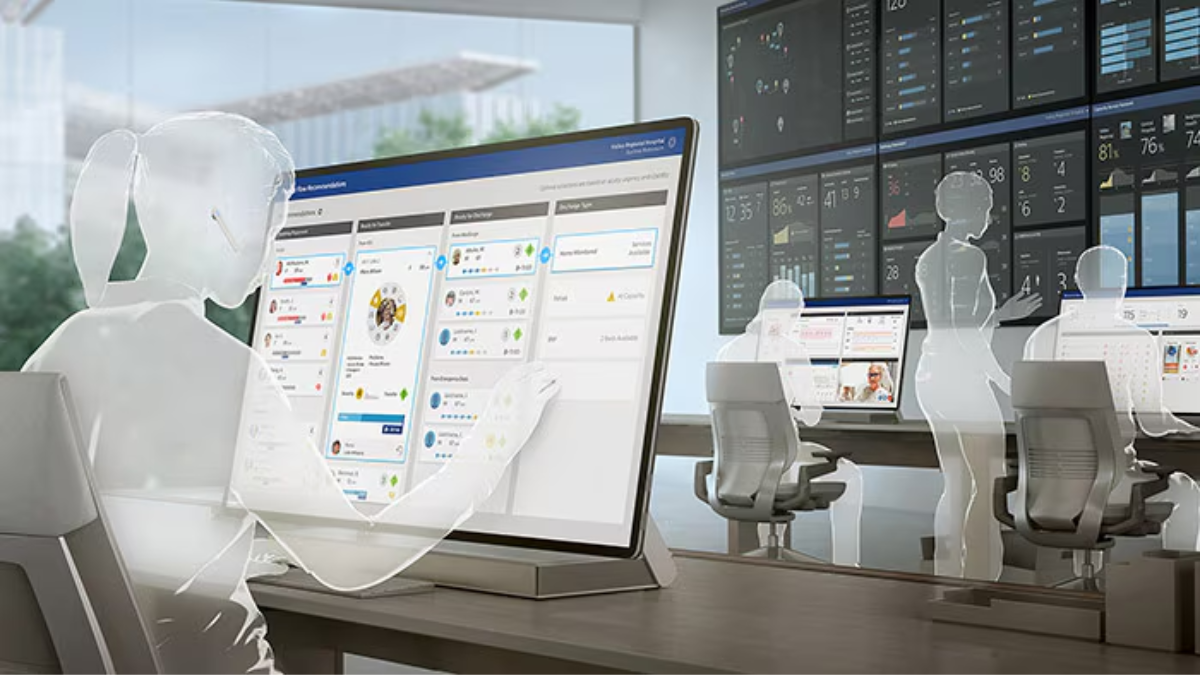
The healthcare industry is witnessing a revolutionary transformation. Smart hospitals, powered by digital health technologies, are reshaping how care is delivered, managed, and experienced. These hospitals are more than just medical institutions — they are intelligent ecosystems where data, automation, and human expertise work together to improve patient outcomes, streamline workflows, and optimize costs.
From AI-based diagnostics to connected devices and telemedicine, smart hospitals are becoming the foundation of a more personalized, efficient, and accessible healthcare system. This evolution marks a critical shift from reactive treatment to predictive, preventive, and patient-centric care.
What Is a Smart Hospital?
A smart hospital is a healthcare facility that integrates digital technologies, data analytics, and automation systems to enhance patient care, improve efficiency, and support medical staff. It uses AI, IoT (Internet of Things), cloud computing, and robotics to create a seamless environment where devices, doctors, and patients communicate effortlessly.
Unlike traditional hospitals, smart hospitals are data-driven and digitally connected. They leverage real-time monitoring, electronic health records, and predictive algorithms to deliver precise and proactive healthcare solutions.
The Core Pillars of a Smart Hospital
1. Automation
Automation helps streamline hospital operations. Tasks like admission, billing, and pharmacy management are managed by intelligent systems, freeing up staff for patient care.
Examples include:
- Automated Medication Dispensers
- Digital Bed Management Systems
- AI-based Scheduling Tools
2. Integration
All systems — from lab results to patient records — are connected through centralized platforms. This integration ensures every department has access to real-time, accurate data.
3. Patient-Centric Design
Smart hospitals prioritize comfort, privacy, and personalization. Through apps, patients can track appointments, view lab reports, and communicate with doctors easily.
4. Sustainability
Energy-efficient lighting, smart HVAC systems, and paperless operations make smart hospitals environmentally responsible and cost-effective.
Role of AI and Machine Learning
Artificial Intelligence (AI) and Machine Learning (ML) are the brains of smart hospitals. They analyze massive data sets to predict diseases, improve diagnosis accuracy, and guide clinical decisions.
Applications of AI in Smart Hospitals:
- Predictive Analytics: Forecast patient admissions and emergency cases.
- AI Imaging Tools: Detect abnormalities in X-rays and MRIs faster than humans.
- Virtual Nursing Assistants: Provide 24/7 support for routine inquiries.
- Robotic Surgery: Enables minimally invasive, high-precision procedures.
By combining AI insights with human expertise, hospitals can offer faster, safer, and more customized treatments.
Internet of Things (IoT) in Healthcare
IoT connects medical devices, wearables, and hospital systems to gather and share data in real time.
These connected devices form an Internet of Medical Things (IoMT) network, enabling continuous patient monitoring and faster response times.
Examples:
- Smart wristbands tracking heart rate and oxygen levels
- IoT infusion pumps adjusting medication doses
- Sensors monitoring temperature, humidity, and patient movement
This real-time data collection helps clinicians make timely, informed decisions and reduces the risk of complications.
Telemedicine and Remote Care
Smart hospitals break geographical barriers with telemedicine. Patients can now access consultations, follow-ups, and diagnostics from their homes.
Telemedicine benefits:
- Accessibility: Rural and remote patients can connect with specialists.
- Continuity of Care: Regular follow-ups via video conferencing.
- Cost Efficiency: Reduces travel time and hospital congestion.
During global health crises, such as the COVID-19 pandemic, telehealth proved invaluable. Now, it’s a permanent component of smart healthcare systems.
Digital Health Records and Data Management
One of the defining features of smart hospitals is the Electronic Health Record (EHR) system. These digital records compile all patient information — history, test results, prescriptions — into one secure, accessible location.
Advantages:
- Elimination of redundant tests
- Improved coordination among departments
- Enhanced patient safety
- Data-backed decision-making
To ensure privacy, hospitals use blockchain, encryption, and multi-layer authentication, making health data secure and tamper-proof.
Robotics and Automation in Clinical Settings
Robotics in smart hospitals isn’t science fiction — it’s reality. Robots assist surgeons, transport materials, disinfect rooms, and even deliver meals.
Key Innovations:
- Surgical Robots for precision and reduced recovery time
- Autonomous Delivery Robots moving supplies
- Cleaning Robots maintaining sterile environments
These innovations reduce human error, increase efficiency, and minimize infection risks.
Smart Infrastructure and Facility Management
Beyond medical technology, smart hospitals focus on intelligent infrastructure. Building Management Systems (BMS) automate lighting, air conditioning, and power to maintain optimal environments.
Smart features include:
- Energy-efficient designs
- Intelligent elevators and navigation systems
- Smart parking and patient tracking systems
These create safer, more comfortable, and environmentally friendly hospitals.
Data Analytics and Predictive Healthcare
Smart hospitals use Big Data Analytics to analyze patient trends, forecast diseases, and plan capacity. Predictive modeling helps anticipate emergencies, manage inventory, and reduce readmission rates.
For example:
- Predictive ICU monitoring alerts staff before a patient’s condition worsens.
- Outbreak analytics detect early signs of infectious disease spread.
This proactive approach transforms healthcare from reactive to preventive.
Wearables and Mobile Health Apps
Wearable technology — like smartwatches and biosensors — integrates with hospital systems to track patients’ vitals continuously.
Benefits include:
- Early detection of irregularities
- Remote health monitoring
- Personalized wellness plans
Mobile apps help patients book appointments, receive reminders, and maintain engagement with their health goals.
Cybersecurity in Smart Hospitals
With increased digitalization comes the challenge of protecting sensitive data. Cybersecurity is a top priority.
Hospitals implement:
- Firewalls and Intrusion Detection Systems
- Data Encryption
- Staff Cyber Hygiene Training
Maintaining robust security ensures patient trust and compliance with global standards like GDPR and HIPAA.
Sustainability in Smart Hospitals
Smart hospitals embrace eco-friendly practices:
- Paperless Operations
- Solar Energy Systems
- Smart Waste Segregation
- Recycling Medical Supplies
By prioritizing sustainability, these institutions contribute to both public health and environmental protection.
Training and Digital Literacy
Technology is only effective when staff know how to use it. Smart hospitals invest heavily in training programs, simulation labs, and digital literacy workshops for employees at all levels.
Continuous learning ensures staff remain confident and competent in a rapidly changing healthcare landscape.
Challenges and Solutions
Despite their benefits, smart hospitals face hurdles like:
- High Implementation Costs
- Cybersecurity Threats
- Digital Divide
- Staff Adaptation Resistance
Solutions include phased digital transformation, strong IT governance, and patient education to bridge gaps.
The Future of Smart Hospitals
The next decade will witness hyper-connected hospitals driven by AI, robotics, and genomics. Expect:
- 5G-powered Telehealth
- Virtual Reality (VR) Therapy
- Augmented Reality (AR) Surgical Assistance
- Personalized Genomic Medicine
- Cloud-based Healthcare Ecosystems
Future hospitals will be more predictive, adaptive, and equitable, ensuring health services reach every corner of society.
FAQs
Q1. What makes a hospital “smart”?
A smart hospital integrates digital technologies, automation, and AI to enhance efficiency, patient experience, and care quality.
Q2. How does IoT help in hospitals?
IoT devices monitor patients, optimize operations, and ensure real-time data collection for accurate diagnosis.
Q3. Are smart hospitals cost-effective?
Yes. Though initial investment is high, long-term savings from efficiency and error reduction make them cost-effective.
Q4. How is data security maintained in smart hospitals?
By using encryption, blockchain, multi-factor authentication, and strict compliance with privacy regulations.
Q5. What’s the future of smart healthcare?
AI-driven diagnostics, 5G telehealth, VR therapies, and genomic personalization will define the next era of smart hospitals.
