
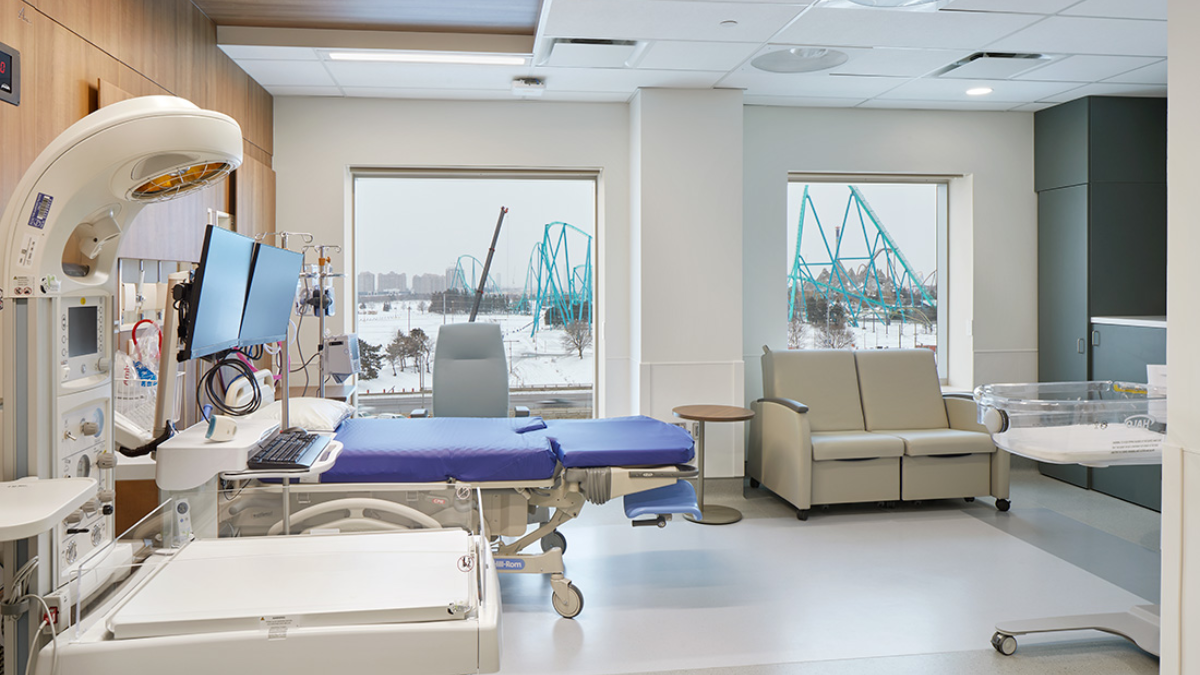
Modern healthcare is not just about treating diseases — it’s about creating environments that promote holistic healing. Today’s hospitals are designed not only as centers for medical care but also as spaces for emotional recovery, mental wellness, and human comfort.
The shift from traditional, clinical spaces to healing-centered infrastructure is transforming the way patients experience care. Thoughtful architecture, natural lighting, patient-friendly layouts, and technology integration are now considered as vital as medical expertise.
This article explores how hospital infrastructure is evolving to nurture both the mind and body, turning hospitals into true sanctuaries of healing.
The Concept of Healing Architecture
Healing architecture is the science and art of designing healthcare environments that support physical recovery and psychological well-being. It acknowledges that the environment influences healing outcomes just as much as medical treatment.
Key Principles:
- Natural Light and Ventilation – Reduces stress and improves mood.
- Biophilic Design – Incorporates greenery, water, and natural textures.
- Noise Reduction – Ensures peace for rest and recovery.
- Spatial Clarity – Simplifies navigation, lowering anxiety.
- Comfort-Centric Design – Enhances patient and family experience.
These elements together help hospitals create a space that heals holistically, not just clinically.
The Role of Design in Healing
Research shows that patients recover faster in soothing, well-lit, and calm environments. Design elements like window views, soft colors, and private rooms significantly reduce stress, lower blood pressure, and enhance immune response.
Hospitals today partner with architects, psychologists, and wellness experts to ensure each corner supports care, comfort, and calmness.
Natural Light and Open Spaces
Natural light plays a crucial role in patient health. Exposure to sunlight helps regulate circadian rhythms, improves sleep, and elevates mood.
Hospitals integrate:
- Large windows in wards
- Skylights in corridors
- Open courtyards for walking
- Daylight-responsive lighting systems
These design choices transform sterile environments into vibrant, life-affirming spaces.
Biophilic Design: Bringing Nature Indoors
Biophilic design integrates elements of nature — plants, water, wood, and stone — into hospital infrastructure. Studies show that proximity to natural elements:
- Lowers stress hormones
- Enhances cognitive function
- Boosts pain tolerance
Hospitals now feature indoor gardens, vertical greenery, and healing terraces, turning medical buildings into green sanctuaries.
Color Psychology in Healing
Colors influence mood and perception. Hospitals use color schemes strategically:
- Green – Symbolizes healing and harmony
- Blue – Promotes calmness and trust
- Yellow – Brings warmth and positivity
- Neutral tones – Create balance and serenity
Thoughtful color palettes make wards less intimidating, helping patients feel safe and relaxed.
Soundscapes and Acoustic Design
Noise is a hidden stressor in hospitals. High noise levels can raise blood pressure, delay healing, and disturb sleep. Modern hospitals invest in acoustic engineering:
- Sound-absorbing walls and ceilings
- Quiet HVAC systems
- Noise-reducing flooring
- Soothing ambient music
Quiet spaces allow patients to rest deeply, promoting faster recovery and emotional calm.
Patient-Centered Layouts
Hospital infrastructure today revolves around patient convenience and dignity. Corridors, rooms, and departments are arranged for ease of movement, privacy, and accessibility.
Features include:
- Single-patient rooms for privacy and infection control
- Accessible restrooms for the elderly and differently-abled
- Family zones in patient rooms
- Intuitive wayfinding with clear signage
Every design choice aims to reduce stress and confusion for patients and families alike.
Healing Through Art and Culture
Art can heal. Hospitals now curate art galleries, murals, and cultural displays to provide visual therapy.
Art installations:
- Reduce anxiety and depression
- Encourage positive distraction
- Offer emotional comfort
Many hospitals collaborate with local artists to create community-connected spaces, adding warmth and identity.
Green Hospitals and Sustainability
Eco-friendly hospitals benefit both the planet and patients. Green infrastructure ensures better air quality, lower toxins, and a healthier ambiance.
Sustainable Design Features:
- Solar panels and renewable energy
- Rainwater harvesting
- Green roofing
- Non-toxic paints and materials
- Smart waste management
These initiatives create cleaner, safer, and energy-efficient healing environments.
Smart Infrastructure and Digital Comfort
Technology plays a central role in modern hospital design. Smart infrastructure ensures convenience, safety, and connection.
Examples include:
- Smart beds that track vitals
- Digital room controls for light and temperature
- Touchless entry systems
- Automated medication dispensers
- Real-time navigation apps
Tech-enhanced comfort empowers patients, offering control and independence during their stay.
Spiritual and Emotional Healing Spaces
Recognizing the role of emotional well-being, hospitals create multi-faith prayer rooms, meditation zones, and reflection areas.
These spaces encourage inner peace, mindfulness, and hope, offering solace beyond medical treatment. Healing isn’t just physical — it’s spiritual too.
Family-Friendly Design
Family support is a critical part of recovery. Hospitals are now designing infrastructure that welcomes and supports families:
- Comfortable waiting lounges
- Sleep-in facilities near wards
- Child-friendly zones
- Cafeterias with healthy options
By embracing families, hospitals nurture a community of healing around every patient.
Wayfinding and Navigation Systems
Getting lost in a hospital can increase anxiety. Wayfinding design uses clear signage, digital maps, and intuitive layouts to guide visitors easily.
Some hospitals employ:
- Color-coded zones
- Interactive kiosks
- Mobile navigation apps
Smooth navigation reduces confusion, creating a more welcoming environment.
Infection Control Through Design
Post-pandemic, infrastructure design emphasizes infection prevention. Modern hospitals use:
- Negative pressure rooms
- Touchless fixtures
- Antimicrobial materials
- Zoned ventilation systems
These elements keep hospitals safe, ensuring both healing and hygiene coexist seamlessly.
Designing for Staff Well-Being
A healing hospital heals its caregivers too. Staff-friendly spaces — lounges, rest pods, green breaks, and ergonomic workstations — help doctors and nurses recharge.
Hospitals now design wellness zones for healthcare workers, acknowledging that a cared-for caregiver provides better patient care.
Inclusive Infrastructure
Accessibility is non-negotiable. Hospitals follow universal design principles to accommodate people of all abilities.
Features include:
- Ramps and wide corridors
- Braille signage
- Voice-guided elevators
- Adaptive furniture
Such inclusive design ensures dignity and independence for every visitor.
Pediatric Healing Environments
Children need warmth, color, and play. Pediatric hospitals integrate:
- Themed wards
- Play zones and libraries
- Interactive art
- Friendly mascots and murals
These joyful environments reduce fear, making treatment less stressful for young patients.
The Role of Light and Air Quality
Clean air and proper lighting directly impact health. Hospitals now install HEPA filters, air purifiers, and smart lighting systems to maintain comfort and purity.
Healthy environments reduce infections, enhance energy, and improve mental clarity for both patients and staff.
Community and Outdoor Healing Spaces
Modern hospitals extend healing beyond walls. Outdoor gardens, walking tracks, and amphitheaters create open-air zones for therapy, exercise, and connection.
These spaces promote movement, mindfulness, and fresh air, all essential components of holistic recovery.
The Future of Healing Infrastructure
The next generation of hospitals will merge architecture, technology, and psychology. Expect:
- AI-assisted building management
- Adaptive spaces responding to patient needs
- AR/VR-based relaxation zones
- Net-zero carbon facilities
Hospitals will become living ecosystems, designed for balance, compassion, and innovation.
FAQs
Q1. What is healing architecture?
It’s an approach to hospital design that promotes physical, emotional, and spiritual healing through light, nature, and comfort.
Q2. Why is natural light important in hospitals?
Sunlight improves mood, regulates sleep, and speeds up recovery.
Q3. How do hospitals support mental wellness?
Through calming designs, green spaces, art, and meditation zones.
Q4. What makes a hospital “green”?
Sustainable materials, energy efficiency, and eco-friendly operations.
Q5. What is biophilic design?
It’s the integration of nature into infrastructure — plants, water, wood — to reduce stress and enhance healing.
