
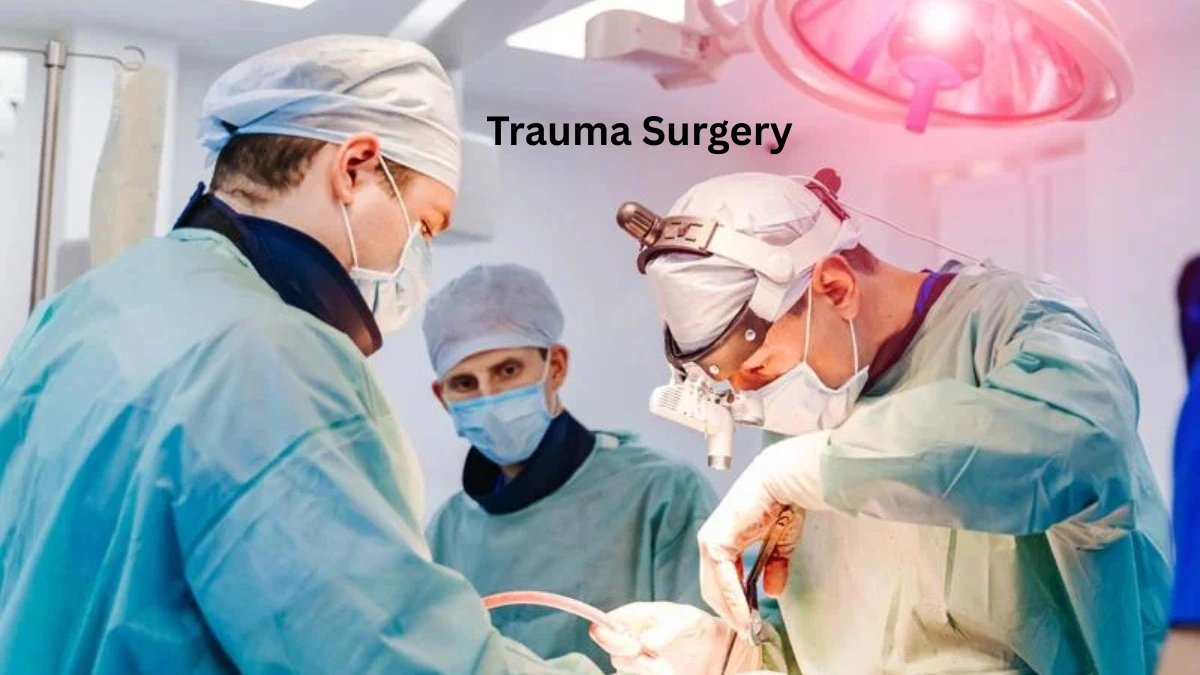
Which hospital is best for trauma surgery? Learn how to identify top trauma hospitals, levels of trauma care, key specialties, technology, doctors, and what truly makes a trauma center world-class.
Introduction: Why Choosing the Right Trauma Hospital Matters
Trauma surgery is one of the most critical and time-sensitive areas of modern medicine. Severe accidents, falls, violence, burns, and life-threatening injuries demand immediate, expert care. In these moments, the choice of hospital can mean the difference between life and death, full recovery or long-term disability.
Patients and families often ask:
“Which hospital is best for trauma surgery?”
The answer is not always a single hospital name. The best trauma hospital depends on trauma level, expertise, technology, response time, and multidisciplinary support. This article explains everything you need to know—clearly, professionally, and in detail—so you can make informed decisions in emergencies or planned trauma care.
Understanding Trauma Surgery
What Is Trauma Surgery?
Trauma surgery focuses on treating serious physical injuries caused by external forces. These include:
- Road traffic accidents
- Falls from height
- Gunshot and stab wounds
- Industrial injuries
- Sports injuries
- Burns and blast injuries
Trauma surgeons are trained to manage multiple injuries simultaneously, often under extreme time pressure.
Role of a Trauma Surgeon
A trauma surgeon:
- Stabilizes critically injured patients
- Performs emergency surgeries
- Manages bleeding and organ damage
- Coordinates care with ICU, neurosurgery, orthopedics, and anesthesiology
- Oversees recovery and rehabilitation planning
What Makes a Hospital “Best” for Trauma Surgery?
There is no universal ranking that applies to every patient. However, the world’s best trauma hospitals share key characteristics.
1. Trauma Center Level (Most Important Factor)
Trauma centers are officially classified based on capability.
Level I Trauma Center (Gold Standard)
The best hospitals for trauma surgery are Level I centers. They offer:
- 24/7 in-house trauma surgeons
- Immediate access to neurosurgery, orthopedics, cardiothoracic surgery
- Advanced ICUs
- Research and trauma education programs
- Comprehensive rehabilitation services
Level II Trauma Center
- High-quality trauma care
- Limited research and teaching
- Suitable when Level I is unavailable
Level III–IV Trauma Centers
- Stabilize patients before transfer
- Limited surgical capability
Best choice: Always a Level I Trauma Center when available.
2. Availability of Multidisciplinary Teams
Top trauma hospitals provide team-based care, including:
- Trauma surgeons
- Neurosurgeons
- Orthopedic surgeons
- Vascular surgeons
- Plastic and reconstructive surgeons
- Critical care specialists
- Emergency medicine physicians
Trauma injuries rarely affect only one body system. The best hospitals treat the whole patient, not just the injury.
3. Speed of Emergency Response
In trauma care, minutes matter.
Elite trauma hospitals ensure:
- Rapid triage within minutes of arrival
- Immediate imaging (CT, MRI, FAST ultrasound)
- Operating room readiness 24/7
- Massive transfusion protocols
This is often called the “Golden Hour” principle—treatment within the first hour dramatically improves survival.
4. Advanced Technology and Infrastructure
The best trauma surgery hospitals are equipped with:
- Hybrid operating rooms
- High-resolution CT scanners near ER
- Interventional radiology suites
- Robotic and minimally invasive surgery tools
- Advanced ventilators and monitoring systems
- Burn units and trauma ICUs
Technology does not replace doctors—but it empowers them to save lives faster and safer.
5. Experience and Case Volume
Hospitals that treat thousands of trauma cases annually tend to achieve better outcomes.
Why?
- Surgeons refine skills through repetition
- Teams work efficiently under pressure
- Protocols are continuously improved
High trauma volume = higher survival rates.
Which Hospitals Are Considered Best for Trauma Surgery Globally?
While rankings change, world-class trauma hospitals typically include:
United States
- Academic medical centers with Level I trauma designation
- Large teaching hospitals affiliated with universities
- Regional trauma referral centers
United Kingdom
- Major NHS Major Trauma Centres (MTCs)
- Hospitals serving dense urban populations
- Facilities with integrated ambulance services
Canada
- University-affiliated trauma centers
- Provincial trauma referral hospitals
Australia
- Level 1 trauma services
- Public hospitals with state-wide trauma coverage
Important: The best trauma hospital is often the closest Level I trauma center, not necessarily the most famous one.
Best Hospital for Trauma Surgery: Key Specialties to Look For
1. Emergency General Surgery
Immediate control of bleeding, bowel injuries, and abdominal trauma.
2. Neurosurgery
Essential for:
- Head injuries
- Brain hemorrhage
- Spinal trauma
3. Orthopedic Trauma
Critical for:
- Multiple fractures
- Pelvic injuries
- Limb reconstruction
4. Vascular Surgery
Life-saving in:
- Arterial bleeding
- Major vessel injuries
5. Burn and Plastic Surgery
For:
- Severe burns
- Facial trauma
- Soft tissue reconstruction
How to Identify the Best Trauma Hospital Near You
Ask these questions:
- Is it a Level I trauma center?
- Are trauma surgeons available 24/7 on-site?
- Does it have a dedicated trauma ICU?
- Is advanced imaging available within minutes?
- Does it handle high trauma volumes annually?
- Is it recognized by national trauma accreditation bodies?
If the answer is “yes” to most, you are looking at a top trauma hospital.
Trauma Surgery Outcomes: What Really Matters
The best hospitals focus on:
- Survival rates
- Complication reduction
- Faster recovery
- Lower infection rates
- Comprehensive rehabilitation
Good trauma care doesn’t end in the operating room—it continues through ICU care, physical therapy, mental health support, and long-term follow-up.
Pediatric Trauma Surgery: A Special Consideration
Children are not small adults.
The best hospitals for pediatric trauma surgery offer:
- Dedicated pediatric trauma surgeons
- Child-specific equipment
- Pediatric ICUs
- Family-centered care
If a child is injured, a pediatric Level I trauma center is the gold standard.
Trauma Surgery vs Emergency Surgery: What’s the Difference?
| Trauma Surgery | Emergency Surgery |
|---|---|
| Injury-related | Disease-related |
| Sudden accidents | Appendicitis, bowel obstruction |
| Multi-system injuries | Often single-organ |
| Requires trauma center | Can be done in general hospitals |
For serious injuries, trauma surgery must be performed at a trauma-equipped hospital.
Cost and Insurance Considerations
Top trauma hospitals may be expensive, but:
- Emergency trauma care is prioritized regardless of ability to pay in many countries
- Insurance networks often cover regional trauma centers
- Government and public hospitals frequently serve as trauma hubs
In emergencies, care quality outweighs cost decisions.
The Role of Air Ambulance and Trauma Networks
The best trauma systems include:
- Helicopter emergency medical services
- Rapid inter-hospital transfers
- Pre-hospital trauma triage
These systems ensure patients reach the right hospital at the right time.
Common Myths About Trauma Hospitals
Myth 1: Bigger hospital always means better trauma care
Truth: Trauma designation matters more than size.
Myth 2: Private hospitals are better for trauma
Truth: Many top trauma centers are public teaching hospitals.
Myth 3: Famous hospitals guarantee best outcomes
Truth: Proximity and trauma level save more lives.
Final Verdict: Which Hospital Is Best for Trauma Surgery?
The best hospital for trauma surgery is a Level I trauma center with:
- 24/7 trauma surgeons
- Multidisciplinary specialty teams
- Advanced technology
- High patient volume
- Strong ICU and rehabilitation services
In emergencies, the closest Level I trauma hospital is usually the best choice.
Preparation, awareness, and quick decision-making save lives.
FAQs
Q1. What is the highest level trauma hospital?
Level I trauma centers are the highest and most comprehensive.
Q2. Can a regular hospital handle severe trauma?
Only to stabilize. Severe trauma should be transferred to a trauma center.
Q3. Are trauma surgeons available 24/7?
At Level I trauma hospitals, yes—always on site.
Q4. Is trauma surgery only for accidents?
Primarily yes, but also includes violence, burns, and industrial injuries.
Q5. Do trauma hospitals treat minor injuries?
Yes, but they specialize in life-threatening injuries.
Q6. Which country has the best trauma care?
Many countries have excellent trauma systems; effectiveness depends on trauma networks, not just location.
Q7. Is trauma surgery dangerous?
It is high-risk, but performed by highly trained specialists.
Q8. How long is recovery after trauma surgery?
Recovery varies—from weeks to months—depending on injury severity.
