
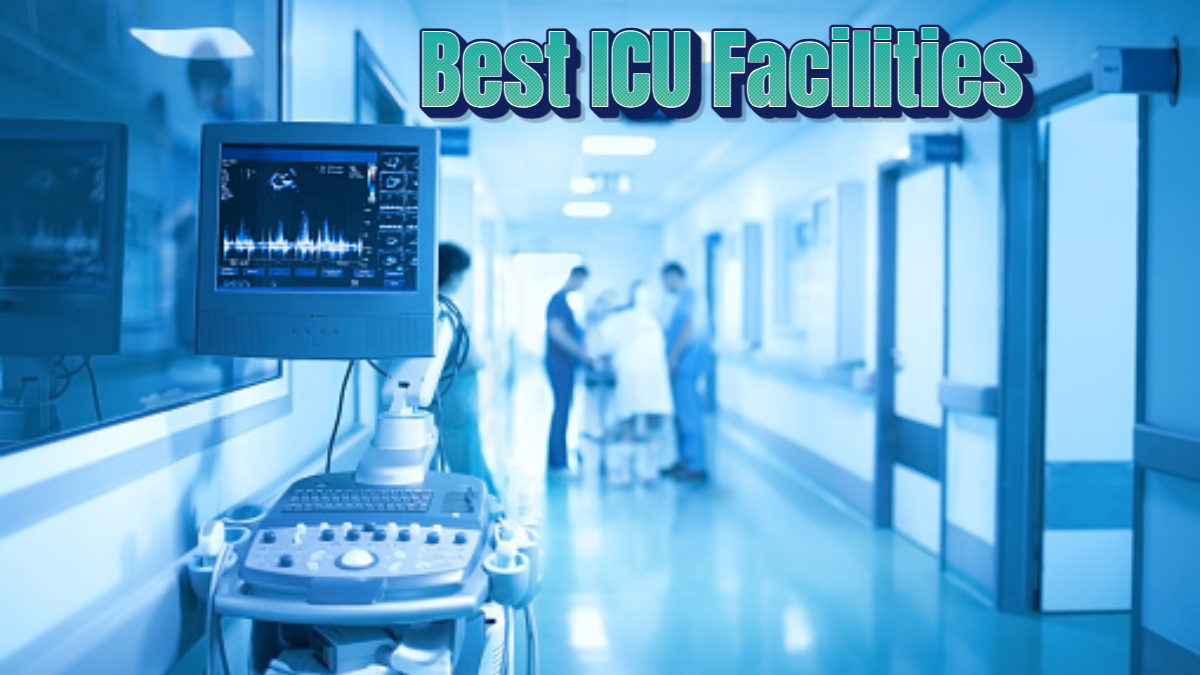
Learn how to choose a hospital with the best ICU facilities using this complete 2025 guide. Understand ICU types, equipment, staffing standards, certifications, emergency readiness, and key factors that ensure the highest quality critical care for patients.
Understand what makes an ICU world-class—24/7 monitoring, trained intensivists, advanced machines, and high critical-care success rates.
Choosing a hospital with the best Intensive Care Unit (ICU) facilities can be a life-saving decision. The ICU is the heart of a hospital’s emergency and critical care services, designed for patients who need round-the-clock monitoring, advanced equipment, and specialized medical teams. Whether you are preparing for a medical emergency, choosing a hospital for a loved one, or simply want to be informed, knowing what makes an ICU “excellent” is crucial.
1. Introduction
When a loved one needs intensive medical attention, the quality of the hospital’s ICU can determine the outcome. A good ICU provides advanced life-support technologies, highly trained specialists, and rapid emergency readiness. However, not all hospitals offer the same level of care. ICU quality varies based on resources, staff expertise, infection control, patient monitoring systems, and survival rates.
This guide offers a complete approach to choosing the right ICU — with actionable insights, checklists, and expert-level evaluation criteria.
2. What Is an ICU and Why Is It Important?
The Intensive Care Unit (ICU) is a specialized hospital department that provides comprehensive and continuous care for critically ill patients. It is designed for patients who require constant monitoring, advanced life support, and specialized treatments due to:
- Organ failure
- Major surgeries
- Severe infections
- Trauma
- Cardiac emergencies
- Respiratory failure
The ICU helps stabilize patients, prevent deterioration, and improve survival outcomes.
3. Types of ICUs
Understanding the types of ICUs helps you choose the right facility depending on the patient’s condition.
3.1 General ICU (GICU)
Handles mixed critical cases: trauma, infections, post-surgery patients.
3.2 Surgical ICU (SICU)
Dedicated to post-operative critical care, especially after major surgeries.
3.3 Medical ICU (MICU)
For patients with life-threatening diseases such as pneumonia, sepsis, liver failure, etc.
3.4 Cardiac ICU (CICU)
Specialized in heart attacks, arrhythmias, cardiac surgeries.
3.5 Neurological ICU (Neuro ICU)
For brain injuries, strokes, tumors, spinal cord issues.
3.6 Trauma ICU (TICU)
Handles polytrauma, road accidents, internal injuries.
3.7 Pediatric & Neonatal ICU (PICU/NICU)
Critical care for infants and children.
Choosing the right type of ICU ensures the patient receives specialist care.
4. Key Factors to Evaluate When Choosing a Hospital ICU
The best ICUs share certain characteristics:
- Highly trained critical care specialists
- Advanced monitoring systems
- Low infection rates
- Dedicated ICU beds with isolation units
- 24×7 emergency readiness
- Advanced life-support systems like ventilators & dialysis machines
Let’s explore each factor deeply.
5. ICU Infrastructure & Technology
A world-class ICU must be equipped with modern infrastructure:
5.1 Bed-to-Equipment Ratio
Each ICU bed should have:
- Ventilator access
- Multi-parameter monitor
- Infusion pumps
- Emergency crash cart nearby
5.2 Isolation Rooms
Important for preventing infection spread, especially for patients with contagious diseases.
5.3 Central Monitoring System
Allows nurses and doctors to observe all patients simultaneously.
5.4 Negative Pressure Rooms
Crucial for airborne infection control (e.g., COVID-19, TB).
5.5 24×7 Diagnostic Support
The hospital must have:
- CT/MRI
- Ultrasound
- X-ray
- Pathology
- ECG & Echocardiography
5.6 Backup Power Supply
Continuous electricity is critical for ventilators and monitors.
6. ICU Staff Qualifications
The team determines the quality of care.
6.1 Intensivists
Doctors trained in critical care medicine. Hospitals with full-time intensivists have better survival outcomes.
6.2 ICU Nurses
Should be skilled in:
- Ventilator care
- Drug administration
- Emergency response
The ideal nurse-to-patient ratio is 1:1 or 1:2.
6.3 Respiratory Therapists
Essential for ventilator management.
6.4 Support Team
- Pharmacists
- Physiotherapists
- Infection control specialists
- Laboratory technicians
A multi-disciplinary team improves recovery rates.
7. ICU Equipment Checklist
A good ICU must have:
- Ventilators (advanced + portable)
- Multipara monitors
- Automatic defibrillators
- Suction machines
- Dialysis machines
- ECMO (Extracorporeal Membrane Oxygenation) for severe cases
- Infusion & syringe pumps
- ABG machine (Arterial Blood Gas)
- Central oxygen & vacuum line
- Emergency crash cart
8. Safety Protocols & Infection Control
ICU-acquired infections can be life-threatening.
Look for hospitals that follow:
- Strict hand hygiene protocols
- Sterile dressing procedures
- Equipment sterilization methods
- Regular infection audits
- Isolation beds
- Low HAI (Hospital-Acquired Infection) rates
9. Patient Monitoring Technology
Advanced monitoring saves lives.
Key features:
- Real-time vital signs
- Centralized display
- Remote access for doctors
- AI-based prediction alerts
10. Emergency Response & Code Blue Readiness
A strong ICU must respond instantly to emergencies.
Indicators of good emergency readiness:
- 24×7 anesthesiologist
- Rapid response team
- In-house ambulance services
- Fully stocked crash cart
- Trained resuscitation experts
11. Hospital Accreditation
Accreditation ensures quality standards.
Look for:
- NABH Accreditation
- JCI Accreditation (International standard)
- ISO certifications
These guarantee safety protocols, quality care, and efficient management.
12. ICU Success Metrics
Compare hospitals based on:
- Survival rates
- Re-admission rates
- Patient recovery statistics
- Length of stay
Hospitals are often willing to share these numbers.
13. Reviews, Ratings & Patient Feedback
Patient experiences reveal practical insights:
- Cleanliness
- Staff behavior
- Waiting time
- Communication with families
- Transparency in billing
14. Specialized ICUs for Special Conditions
Certain patients need condition-specific ICUs:
- Burns ICU
- Cardiac ICU
- Liver transplant ICU
- Organ transplant ICU
15. Costs, Insurance & Financial Transparency
Ask the hospital for:
- ICU per-day charges
- Ventilator charges
- Doctor visit fees
- Diagnostic test costs
- Emergency fees
Choose hospitals with transparent billing and insurance support.
16. Questions to Ask the Hospital
- Is the ICU staffed 24×7 with intensivists?
- What is the nurse-to-patient ratio?
- What life-support machines are available?
- Is there an isolation ICU?
- What are the infection control measures?
- Is the hospital NABH/JCI accredited?
- How often are patients monitored?
- Are families updated regularly?
17. Red Flags to Avoid
Avoid hospitals with:
- Overcrowded ICU
- Poor hygiene
- Untrained staff
- Old equipment
- No accreditation
- Hidden charges
- Lack of emergency specialists
18. Step-by-Step Checklist for Choosing the Best ICU
✔ Check accreditation
✔ Evaluate ICU infrastructure
✔ Inspect equipment availability
✔ Ask about staff qualifications
✔ Check monitoring systems
✔ Compare infection rates
✔ Verify 24×7 specialist availability
✔ Review patient feedback
✔ Ask about isolation facilities
✔ Understand costs & insurance
19. Conclusion
Choosing the best ICU can significantly improve patient outcomes. Understanding ICU types, infrastructure, staffing, accreditation, and emergency readiness helps you make a confident, informed decision. With the right criteria, you can ensure your loved one receives the safest and highest-quality care.
20. FAQs
1. What is the most important factor when choosing an ICU?
Staff expertise — especially full-time intensivists — is the biggest indicator of quality.
2. How many nurses should be present in an ICU?
Ideally, a 1:1 or 1:2 nurse-to-patient ratio ensures proper monitoring.
3. Are all ICUs the same?
No. There are many types (Neuro ICU, Cardiac ICU, NICU, etc.), each specialized for specific conditions.
4. What equipment should a good ICU have?
Ventilators, multipara monitors, infusion pumps, defibrillators, dialysis machines, and advanced monitoring systems.
5. How can I check a hospital’s ICU infection rate?
Ask the hospital directly — accredited hospitals maintain transparent infection data.
