
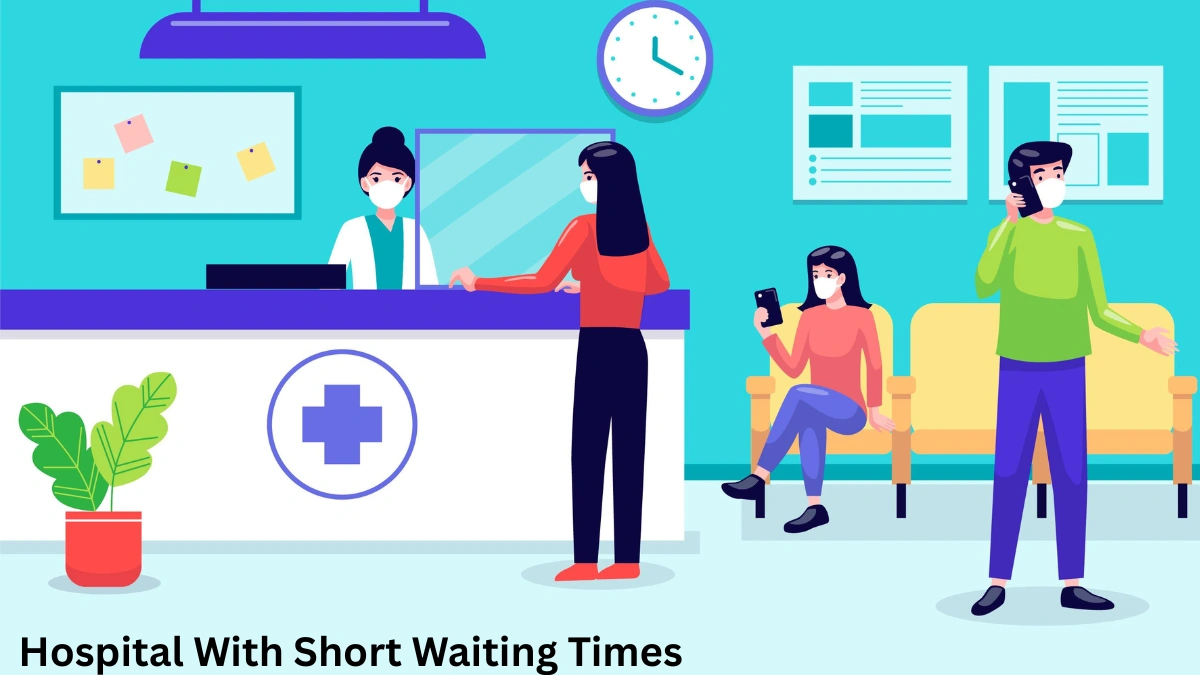
Discover practical strategies to find a hospital with short waiting times. Learn tips, tools, and insider advice to access medical care faster and avoid long delays.
Introduction
When it comes to healthcare, time is critical. Whether it’s a routine checkup, a specialized treatment, or an emergency, long waiting times in hospitals can be frustrating and sometimes dangerous. Patients often struggle to get timely appointments, especially in countries with high patient volumes. But the good news is, there are strategies and tools available to help you find hospitals with short waiting times.
In this article, we will explore various methods, tips, and insights on locating hospitals where you can receive prompt medical attention without compromising on quality.
1. Understanding Hospital Waiting Times
Hospital waiting times vary depending on multiple factors:
- Type of Care: Emergency rooms usually prioritize critical cases, whereas elective procedures may have longer waitlists.
- Hospital Capacity: Larger hospitals may handle more patients but can also experience higher demand, leading to longer waits.
- Staffing Levels: Hospitals with more doctors and nurses available typically reduce waiting times.
- Location: Urban hospitals might be busier compared to rural or suburban hospitals.
Key Insight: Understanding these factors helps patients make informed decisions when choosing hospitals.
2. Use Online Hospital Rating Platforms
Several platforms allow you to check hospital performance, including waiting times:
- Government Health Portals: Many countries maintain official databases with hospital statistics.
- Third-Party Health Websites: Websites such as Healthgrades, Zocdoc, or Practo offer patient reviews and estimated wait times.
- Social Media & Forums: Communities often share real-time experiences of hospital visits.
Tip: Compare hospitals using multiple sources to ensure accurate information on waiting times.
3. Consider Private Hospitals
Private hospitals often have shorter waiting times for several reasons:
- Fewer Patients per Doctor: Private hospitals may limit the number of patients scheduled per day.
- Advanced Appointment Systems: They frequently use online booking tools that allow instant scheduling.
- Specialized Services: Elective surgeries and specialist consultations are often managed efficiently.
Caution: Private care can be more expensive, so weigh the cost against the benefit of faster access.
4. Book Appointments in Advance
Advance booking can significantly reduce waiting times:
- Call the Hospital Directly: Ask about available slots for your required service.
- Online Appointment Systems: Many hospitals provide apps or websites for instant bookings.
- Flexible Scheduling: Early morning or late evening appointments may have fewer patients.
Pro Tip: If your appointment is non-urgent, scheduling months in advance may secure a shorter wait.
5. Use Telemedicine Services
Telemedicine is revolutionizing healthcare by reducing hospital visits:
- Virtual Consultations: Consult with doctors online without waiting in a physical hospital.
- Referrals: Some telemedicine platforms offer referrals to hospitals with shorter wait times.
- Prescription Services: Many conditions can be managed without visiting a hospital in person.
Key Advantage: Telemedicine saves time and helps prioritize hospital visits only when necessary.
6. Check Hospital Specialization
Certain hospitals specialize in specific treatments:
- Specialty Hospitals: Cardiology, orthopedics, or oncology hospitals may handle cases faster due to focused resources.
- Multispecialty Hospitals: General hospitals might have longer queues for specialized departments.
Tip: Choose a hospital based on your medical need rather than just location.
7. Monitor Waiting Times in Real-Time
Some hospitals provide real-time updates:
- Hospital Apps: Many modern hospitals offer apps showing current ER or OPD wait times.
- Digital Screens: Check hospital displays near entry points for updates on doctor availability.
Tip: Visiting during off-peak hours can dramatically reduce waiting time.
8. Contact Your Insurance Provider
Insurance providers often have lists of partnered hospitals with faster services:
- Preferred Providers: Insurers may recommend hospitals with shorter waiting periods.
- Direct Booking Services: Some insurance plans allow you to schedule appointments directly through their platform.
Bonus: You may also receive priority services at affiliated hospitals.
9. Consider Smaller or Local Hospitals
Sometimes, smaller hospitals or clinics offer quicker access:
- Lower Patient Volume: Smaller hospitals often have fewer patients waiting.
- Community Clinics: Local clinics can handle minor health issues promptly, reducing the need for larger hospital visits.
- Efficient Referral System: Small hospitals often refer patients to specialized centers only when necessary.
Important: Ensure the hospital maintains quality standards and has necessary facilities.
10. Ask for Doctor Recommendations
Doctors often know which hospitals are efficient:
- Referrals: Your primary care physician may guide you to hospitals with shorter waiting periods.
- Network Connections: Specialists may have private appointments that minimize your wait time.
Tip: Building a relationship with your doctor can be invaluable in accessing timely care.
11. Flexible Timing & Multiple Visits Strategy
If your schedule allows:
- Off-Peak Visits: Avoid weekends and early mornings when hospitals are crowded.
- Split Visits: Some procedures can be divided into multiple visits, reducing immediate wait pressure.
Pro Insight: Patient traffic usually peaks between 10 AM – 2 PM, so early morning or late afternoon appointments are often faster.
12. Evaluate Hospital Reviews & Ratings
Patient feedback is crucial:
- Check Online Reviews: Look for comments specifically about wait times and appointment efficiency.
- Patient Testimonials: Seek local forums or social media groups for honest insights.
- Government or Accreditation Reports: Hospitals often publish performance metrics publicly.
Tip: Cross-reference reviews to avoid misleading ratings.
13. Use Hospital Concierge Services
Some hospitals provide concierge services:
- Personal Appointment Managers: They help schedule appointments with minimal wait.
- Priority Access Programs: Membership programs or VIP services can shorten wait times.
Note: These services are more common in private hospitals and can save significant time.
14. Prepare Your Medical Information in Advance
Efficiency can reduce delays:
- Organize Documents: Keep previous reports, test results, and prescriptions ready.
- Digital Copies: Many hospitals allow uploading records online before your appointment.
- Insurance Details: Provide insurance info upfront to avoid administrative delays.
Impact: Prepared patients often experience faster consultations.
15. Consider International or Cross-Border Healthcare (If Applicable)
Some patients seek hospitals abroad for faster treatment:
- Medical Tourism: Countries with efficient healthcare systems may offer shorter waits.
- Specialized Clinics Abroad: Certain treatments may be expedited overseas.
Caution: Factor in travel time, cost, and insurance coverage when considering this option.
16. Strategies for Emergency Situations
Even in emergencies, waiting times can vary:
- Know ER Protocols: Understanding triage systems helps anticipate wait periods.
- Multiple ER Options: Check alternative hospitals nearby.
- Contact Ahead: Calling the ER before arriving can give an estimated wait time.
Tip: Always prioritize critical emergencies at the nearest hospital.
17. Government Initiatives & Programs
Some governments actively work to reduce waiting times:
- Online Booking Systems: Centralized portals for booking hospital appointments.
- Priority Health Programs: Programs for seniors, children, or chronic patients often reduce waiting.
- Mobile Apps: Many countries provide apps to locate hospitals with shorter queues.
Advice: Stay updated on local government healthcare initiatives for faster access.
18. Leverage Technology & AI Tools
AI and technology help patients find faster healthcare options:
- AI-Based Apps: Some apps predict hospital wait times based on past trends.
- Chatbots: Hospital chatbots can guide you to the least crowded departments.
- Appointment Optimization Tools: Systems suggest the best timing based on real-time patient flow.
Future Trend: AI integration is making healthcare access increasingly efficient.
19. Summary & Key Takeaways
Finding a hospital with short waiting times requires a combination of planning, technology, and research:
- Use online platforms and apps to compare hospitals.
- Consider private, specialty, or smaller hospitals.
- Schedule appointments in advance and during off-peak hours.
- Leverage telemedicine when possible.
- Keep your documents ready to streamline visits.
- Explore government initiatives and insurance recommendations.
By taking these steps, patients can access timely care without compromising quality or safety.
FAQs
Q1: How can I know the real waiting time at a hospital?
A: Check hospital apps, online platforms, or call directly. Patient forums and reviews also provide insights.
Q2: Do private hospitals always have shorter waiting times?
A: Generally, yes, but costs may be higher. Compare services and prices before deciding.
Q3: Can telemedicine replace hospital visits?
A: For minor ailments and consultations, yes. Serious conditions still require hospital care.
Q4: Is it better to visit a small hospital or a large one?
A: Small hospitals often have shorter wait times, but ensure they have the necessary facilities.
Q5: How does insurance affect hospital waiting times?
A: Some insurance plans allow priority appointments at affiliated hospitals, reducing waiting periods.
