
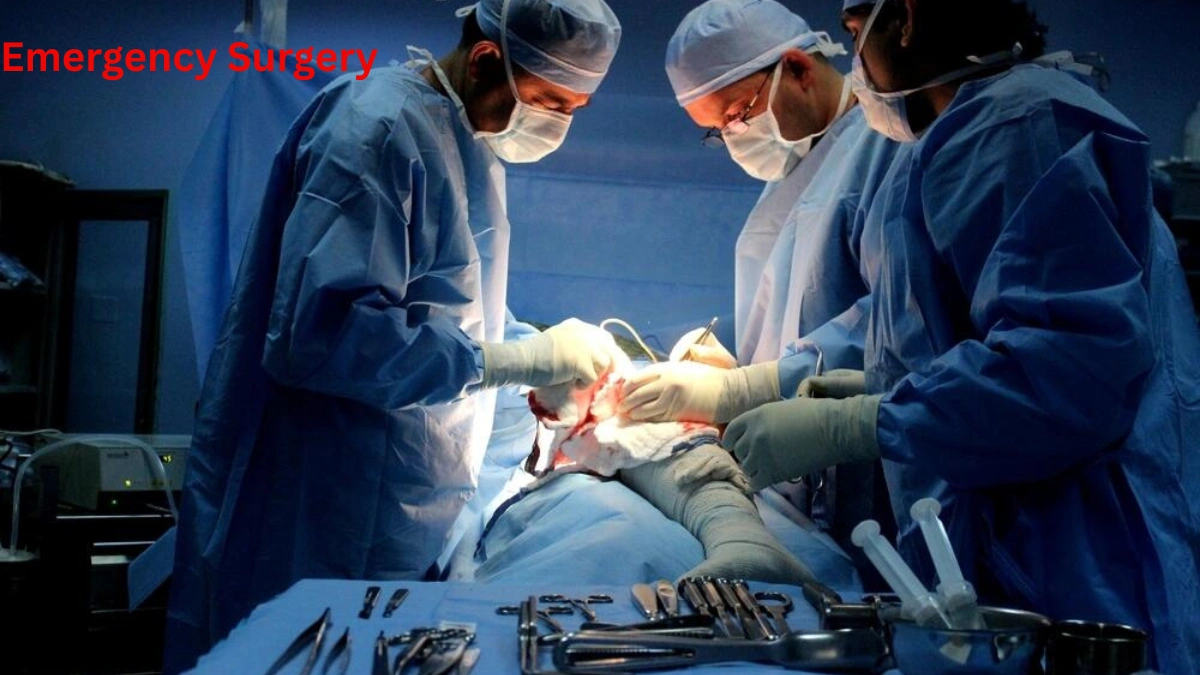
Discover how to find the best emergency surgery hospital with expert tips, key factors, and essential considerations. Ensure quality care during critical medical emergencies.
When a medical emergency strikes, time is of the essence. Choosing the right hospital for emergency surgery can make a significant difference in outcomes, recovery, and peace of mind. This guide provides a comprehensive roadmap to identifying the best emergency surgery hospital, highlighting essential factors, tips, and questions to consider.
Understanding Emergency Surgery
Emergency surgery refers to urgent surgical procedures performed to treat life-threatening conditions, trauma, or severe complications that require immediate intervention. Conditions that may necessitate emergency surgery include:
- Severe trauma from accidents or falls
- Appendicitis
- Heart attack complications
- Stroke requiring surgical intervention
- Internal bleeding
- Organ perforation
Because these situations are time-sensitive, selecting a hospital equipped with the right facilities and expertise is crucial.
Key Factors to Consider When Choosing an Emergency Surgery Hospital
1. Availability of 24/7 Emergency Services
Emergencies do not follow a schedule. The hospital must have:
- Round-the-clock emergency rooms
- On-call surgeons for various specialties
- Immediate diagnostic services like CT scans, MRI, and X-rays
2. Experienced and Skilled Surgical Team
A hospital is only as good as its medical team. Consider:
- Board-certified surgeons with experience in emergency procedures
- Skilled anesthesiologists and nurses trained in trauma care
- Multidisciplinary teams for complex cases
3. Advanced Medical Technology
Top hospitals invest in cutting-edge equipment to ensure accurate diagnosis and effective surgical treatment. Look for:
- High-quality imaging machines
- Minimally invasive surgical tools
- Robotic surgery capabilities for precise procedures
4. Hospital Accreditation and Certifications
Accreditation ensures adherence to strict safety and quality standards. Important certifications include:
- Joint Commission International (JCI)
- National Accreditation Board for Hospitals & Healthcare Providers (NABH)
- ISO-certified healthcare facilities
5. Positive Patient Outcomes
Track record matters. Investigate:
- Surgery success rates
- Postoperative complications
- Recovery speed and patient satisfaction
6. Accessibility and Location
During emergencies, proximity matters. Ensure the hospital is:
- Easily accessible by ambulance or private transport
- Equipped to handle critical patients quickly
7. Comprehensive Postoperative Care
Recovery is a critical component of emergency surgery. Choose a hospital that offers:
- ICU and high-dependency units
- Physical therapy and rehabilitation
- Follow-up services for long-term recovery
8. Transparent Pricing and Insurance Support
Emergencies can be financially challenging. Check for:
- Clear pricing for emergency surgery procedures
- Acceptance of your insurance
- Availability of financial counseling
Steps to Find the Best Emergency Surgery Hospital
Step 1: Research Hospitals in Your Area
Use online reviews, health directories, and government hospital rankings to shortlist hospitals known for emergency surgical care.
Step 2: Check Specializations
Not all hospitals specialize in emergency surgery. Look for:
- Trauma centers
- Multi-specialty hospitals
- Hospitals with a dedicated emergency surgery department
Step 3: Verify Credentials and Experience
Confirm the qualifications of the surgical team and the hospital’s track record with emergency surgeries.
Step 4: Visit the Facility (If Possible)
Check for:
- Cleanliness and hygiene
- Modern equipment
- Emergency response readiness
Step 5: Ask Questions
Before emergencies occur, gather information:
- How quickly can the hospital start surgery in an emergency?
- Are specialists available 24/7?
- What is the average success rate for critical surgeries?
Step 6: Evaluate Patient Support Services
Consider hospitals offering:
- Psychological support for patients and families
- Clear communication about procedures
- Post-surgery care guidance
Warning Signs of a Hospital to Avoid
While looking for the best hospital, be cautious of:
- Hospitals with outdated equipment
- Long emergency room wait times
- Lack of experienced staff or specialists
- Poor patient reviews regarding emergency care
Importance of Reviews and Testimonials
Reading reviews and testimonials helps you gauge patient satisfaction. Look for:
- Consistency in positive feedback
- Stories of successful emergency interventions
- Complaints about delays, hygiene, or staff behavior
How Technology Helps in Emergency Surgery
Modern hospitals leverage technology to save lives:
- Electronic Health Records (EHRs): Quick access to patient history
- Telemedicine: Remote consultation in emergencies
- Robotic Surgery: Enhances precision, reduces recovery time
- Advanced Imaging: Faster and more accurate diagnosis
Financial Considerations for Emergency Surgery
Medical emergencies can be expensive. Ways to manage costs include:
- Choosing hospitals that accept insurance
- Understanding out-of-pocket costs beforehand
- Exploring financial assistance programs
FAQs
Q1: What is the difference between emergency surgery and elective surgery?
A1: Emergency surgery is performed immediately to save life or prevent severe harm, while elective surgery is planned in advance for non-life-threatening conditions.
Q2: How can I ensure my insurance covers emergency surgery?
A2: Verify your policy’s emergency coverage, network hospitals, and pre-authorization requirements to avoid surprises.
Q3: What makes a hospital best for emergency surgery?
A3: Key factors include experienced surgeons, 24/7 emergency services, advanced equipment, high success rates, and comprehensive postoperative care.
Q4: Should I consider distance when choosing an emergency surgery hospital?
A4: Yes. In emergencies, time is critical, so hospitals closer to your location or with quick ambulance access are preferable.
Q5: Can reviews reliably indicate hospital quality?
A5: Reviews provide insights into patient experiences, but should be combined with research on success rates, certifications, and medical team expertise.
Conclusion
Finding the best emergency surgery hospital requires careful research, consideration of critical factors, and proactive preparation. By focusing on accessibility, expertise, advanced technology, and patient outcomes, you can ensure timely, safe, and effective surgical care during emergencies. Remember, preparedness can save lives.
