
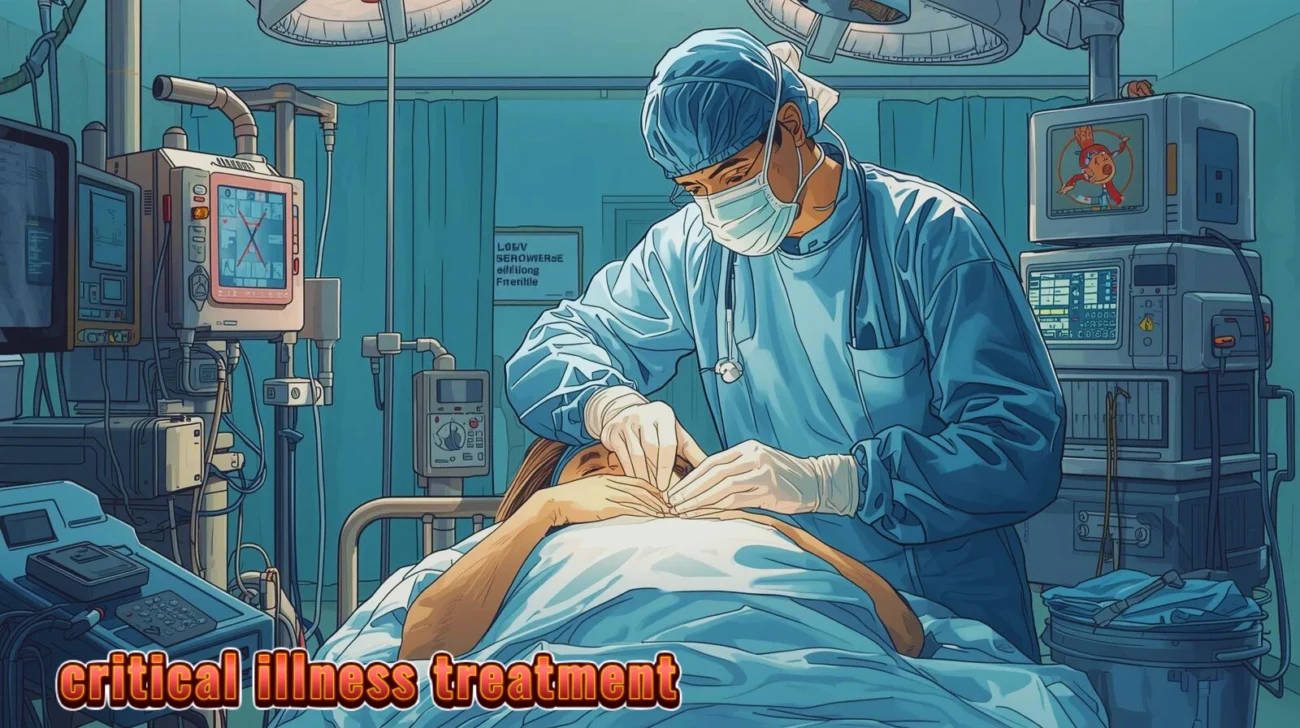
Discover how to choose the best hospital for critical illness treatment. A complete guide covering quality indicators, specialists, ICU standards, accreditation, and patient safety.
Learn how to choose a hospital for complex illnesses using ratings, reviews, and success data.
Choosing the right hospital for critical illness treatment can be one of the most important decisions you ever make. Critical illnesses—such as heart attacks, strokes, cancer, organ failure, severe infections, and major trauma—often require highly specialized care, advanced technology, experienced doctors, and rapid medical intervention. In such situations, the quality of a hospital can make the difference between life and death.
But how do you actually determine which hospital is right for you or your loved one? With thousands of hospitals around the world—and even hundreds within major cities—finding the right one can be overwhelming. This detailed guide walks you step by step through how to identify, evaluate, and choose the ideal hospital for critical illness treatment, ensuring the best possible outcomes.
1. Understanding What “Critical Illness Treatment” Really Means
A critical illness refers to a life-threatening medical condition that requires immediate and advanced intervention. Hospitals offering such treatment must have:
- Emergency care available 24/7
- Intensive Care Units (ICUs) with advanced monitoring
- Qualified critical care specialists
- Rapid access to diagnostic tests
- Specialized departments like neurology, cardiology, oncology, gastroenterology, nephrology, and pulmonology
- Advanced medical technology
Critical illnesses often include:
- Heart attack (Myocardial infarction)
- Stroke
- Severe COVID-19 or respiratory failure
- Kidney failure
- Cancer
- Organ collapse
- Liver cirrhosis complications
- Sepsis and septic shock
- Major trauma and accidents
- Severe infections requiring ICU care
Since these conditions require urgent, precise, and intensive treatment, choosing the right hospital is essential.
2. Why Choosing the Right Hospital Matters
The quality of a hospital can significantly impact treatment outcomes, recovery time, survival rate, and long-term health. Key benefits of choosing the right hospital include:
Better survival rates
Top hospitals have better-trained staff, leading to higher success rates in surgeries, emergency care, and critical interventions.
Access to specialized doctors
Critical conditions require specialists such as cardiologists, neurologists, neurosurgeons, oncologists, pulmonologists, or intensivists.
Faster diagnosis
Advanced medical centers provide immediate MRI, CT scans, angiograms, and lab reports to speed up treatment.
Advanced ICUs and life-support systems
World-class hospitals provide:
- Ventilators
- ECMO machines
- Dialysis units
- Advanced hemodynamic monitoring
Reduced complications
Protocols for infection control, nurse-to-patient ratio, ICU management, and emergency response minimize risks and complications.
3. Key Factors to Consider When Choosing a Hospital for Critical Illness Treatment
Below are the most important hospital features you must evaluate before making a decision.
3.1 Hospital Accreditation
Accreditation ensures the hospital meets national and international quality standards.
Recognized accreditations include:
- JCI (Joint Commission International) – gold standard for global hospitals
- NABH (India)
- CQC (UK)
- ACHC or HFAP (USA)
- Accreditation Canada
Accredited hospitals follow strict standards in:
- Patient safety
- Cleanliness
- Quality of care
- ICU protocols
- Emergency management
Accreditation is one of the strongest indicators of a reliable hospital.
3.2 Specialization and Expertise
Critical illnesses often require specialized treatment. Make sure the hospital offers:
Specialized departments, such as:
- Cardiology and Cardiac Surgery
- Neurology and Neurosurgery
- Oncology
- Gastroenterology
- Nephrology
- Pulmonology
- Critical Care Medicine
- Trauma Care
- Orthopedics
Also check if the hospital has:
- Experienced consultants
- High surgical success rates
- Multi-disciplinary teams
- Specialized ICUs (like Neuro ICU, Cardiac ICU, Pediatric ICU)
3.3 Availability of Advanced Technology
The right hospital must have advanced diagnostic and treatment tools. Look for:
Diagnostic Tools:
- MRI 3T
- CT scan 128–256 slice
- PET scan
- Cath lab (for heart procedures)
- Endoscopy & colonoscopy units
- Ultrasound and doppler systems
Treatment Technologies:
- Robotic surgery
- Cardiac cath labs
- ECMO
- Modern ventilators
- Dialysis machines
- Radiation therapy (LINAC, CyberKnife)
Technology directly improves accuracy, reduces recovery time, and increases survival rates.
3.4 ICU Quality and Nurse-to-Patient Ratio
The ICU is the most important area for critical illness care.
A high-quality ICU should have:
- 24/7 intensivist availability
- Advanced life-support systems
- Strict infection control
- Skilled nurses
- Central monitoring system
Ideal Nurse-to-Patient Ratio:
- ICU: 1:1 or 1:2
- High-dependency unit: 1:3
A low nurse-to-patient ratio ensures more attention, monitoring, and timely intervention.
3.5 Emergency Response System
Time is crucial in critical illness. Hospitals must offer:
- 24/7 emergency care
- Trained emergency physicians
- Well-equipped ambulance services
- Trauma units
- Rapid triage system
- Emergency diagnostics on-site
For conditions like heart attack or stroke, every minute matters.
3.6 Hospital Reputation and Patient Reviews
Look for:
- Patient success stories
- Clinical outcomes data
- Google reviews
- Hospital rankings
- Awards and recognition
- Recommendations from other patients or doctors
Be cautious: reviews should be balanced, not overly biased.
3.7 Doctor’s Experience and Qualifications
A great hospital should have experienced specialists.
Check for:
- Years of experience
- International training
- Number of procedures performed
- Success rates
- Subspecialty expertise
- Research contributions
Experienced doctors make faster, better decisions.
3.8 Availability of Multi-Disciplinary Teams
Critical illness is rarely treated by one doctor. Modern hospitals use MDT (Multidisciplinary Team) approach:
- Cardiologist
- Neurologist
- General physician
- ICU specialist
- Physiotherapist
- Nutritionist
- Radiologist
This combined expertise improves treatment accuracy.
3.9 Infection Control Standards
Hospital-acquired infections can worsen critical illnesses.
Look for hospitals with:
- Strict hygiene protocols
- Sterile operation theatres
- Antibiotic stewardship
- Clean ICU environment
- Separate infection-control team
A clean hospital is often a life-saving hospital.
3.10 Location and Accessibility
For emergency and critical cases, the hospital should be easy to reach.
Consider:
- Distance from home
- Traffic conditions
- Availability of 24/7 ambulance
- Nearby transportation facilities
Quick access can prevent complications.
3.11 Cost and Insurance Coverage
Critical care can be expensive. Compare prices for:
- ICU charges
- Surgery costs
- Diagnostic costs
- Room rent
- Treatment packages
Also confirm:
- Insurance acceptance
- Cashless facilities
- Financial assistance programs
4. Steps to Find the Right Hospital for Critical Illness Treatment
Here’s a quick step-by-step method to choose wisely:
Step 1: Identify the medical problem
Know whether the issue is cardiac, neurological, oncological, etc.
Step 2: Shortlist hospitals specializing in that domain
Step 3: Check accreditations
Step 4: Evaluate critical care and ICU quality
Step 5: Review the doctor team
Step 6: Compare technology and facilities
Step 7: Read reviews and patient experiences
Step 8: Check emergency response capability
Step 9: Compare cost and insurance options
Step 10: Visit the hospital (if possible)
See the cleanliness, staff responsiveness, and overall quality.
5. Signs of a World-Class Hospital for Critical Illness Care
A top-quality hospital will have:
- Highly qualified specialists
- Advanced ICUs
- Latest technology
- Good patient outcomes
- Transparent pricing
- Fast emergency care
- Strong infection control
Such hospitals consistently provide better results for critical illnesses.
6. Red Flags: Avoid These Hospitals
Be cautious of hospitals that:
- Do not have 24/7 emergency care
- Have outdated equipment
- Lack specialist doctors
- Avoid sharing success rates
- Have poor hygiene
- Have negative patient reviews
- Have untrained staff
- Do not follow standard protocols
- Appear overcrowded and understaffed
These signs indicate low-quality care.
7. Importance of Second Opinions
Before major surgeries or complex treatments, always take a second opinion from another top specialist. It can:
- Confirm diagnosis
- Suggest better treatment options
- Reduce unnecessary costs
- Improve confidence in the decision
Second opinions are essential in cancer, neurology, and heart-related cases.
8. Role of Family Support and Comfort
Critical illness recovery depends heavily on family involvement. Choose a hospital that offers:
- Comfortable waiting areas
- Visiting hours flexibility
- Transparent communication
- Support groups
- Psychological counseling
The emotional support enhances healing.
9. How Hospitals Improve Recovery Rates
World-class hospitals follow proven strategies such as:
- Early diagnosis protocols
- Team-based care
- Use of AI and digital tools
- Personalized treatment plans
- Regular audits
- Continuous training of staff
This results in faster recovery and fewer complications.
10. Checklist to Choose the Best Hospital
Use this simple checklist:
✔ Is the hospital accredited?
✔ Are specialists available 24/7?
✔ Does it have a modern ICU?
✔ Is there a strong emergency department?
✔ Does it offer advanced diagnostic tools?
✔ Are the doctors experienced?
✔ What is the nurse-to-patient ratio?
✔ Are costs transparent?
✔ Are reviews positive?
✔ Does it accept insurance?
If most answers are yes, the hospital is a good choice.
FAQs
1. What is the most important factor when choosing a hospital for critical illness?
The most important factor is the quality of the ICU and availability of experienced specialists.
2. Should I choose a hospital near my home or the best one in the city?
Choose the best quality hospital, but ensure it is reachable during emergencies.
3. How do I check if a hospital is accredited?
Accreditations like JCI, NABH, or CQC are usually displayed on the hospital website or premises.
4. What if the hospital is expensive?
Check insurance coverage, cashless options, and ask for transparent pricing or package costs.
5. Is online consultation helpful for critical illnesses?
It is helpful for second opinions, but emergencies require immediate hospitalization.
6. How can I compare hospitals?
Use the checklist: doctors, ICU, technology, reviews, cost, location, and emergency readiness.
