
Introduction
Modern hospitals play a pivotal role in shaping the health and well-being of communities worldwide. As healthcare demands increase, hospitals are no longer just treatment centers but comprehensive hubs for prevention, diagnosis, research, and wellness. The integration of advanced medical technology, skilled healthcare professionals, and patient-centric approaches has transformed hospitals into institutions that not only cure diseases but also promote healthier lifestyles and improved quality of life. The evolution of modern hospitals is crucial for addressing the challenges of chronic illnesses, emerging epidemics, and the growing aging population. By fostering innovation, embracing digital health solutions, and prioritizing patient safety, hospitals are redefining the landscape of healthcare and paving the way for a healthier future.
Technological Advancements in Modern Hospitals
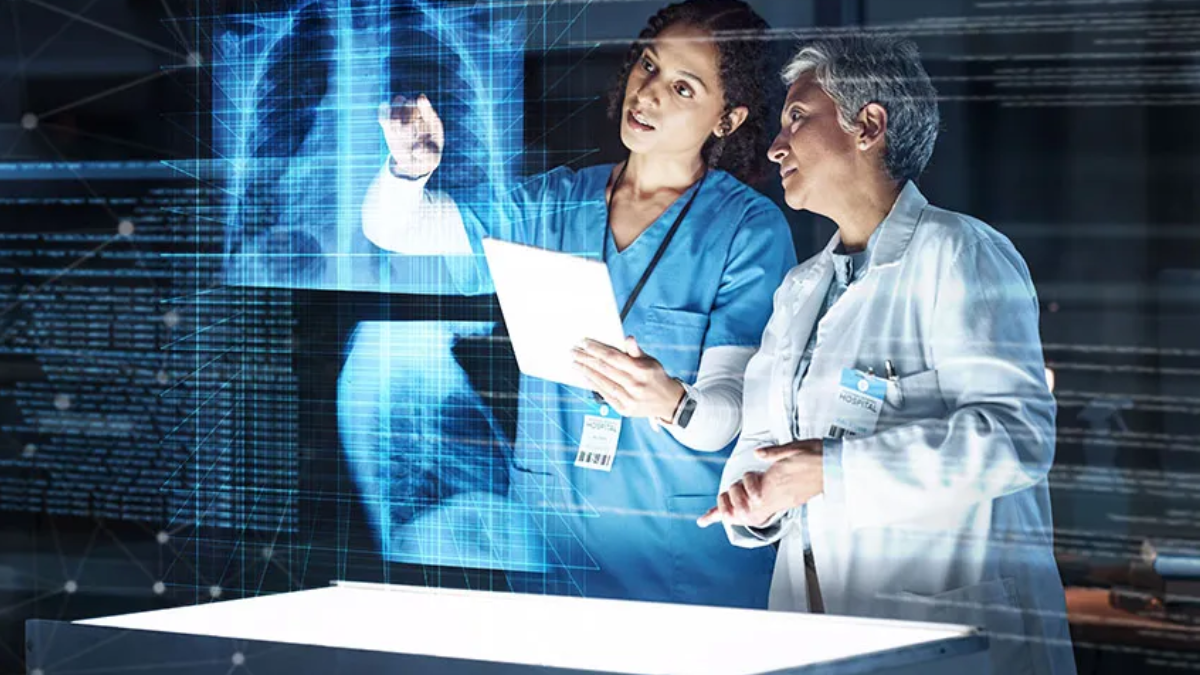
Modern hospitals have witnessed a significant technological transformation that has improved patient outcomes and operational efficiency. Electronic health records (EHRs) allow seamless data sharing between departments and specialists, reducing medical errors and ensuring continuity of care. Advanced diagnostic tools such as MRI, CT scans, and robotic-assisted surgeries enable precise detection and treatment of complex conditions. Telemedicine platforms expand healthcare access to remote regions, offering virtual consultations and monitoring patients without requiring physical visits. Hospitals increasingly employ artificial intelligence (AI) for predictive analytics, aiding in early detection of diseases, optimizing resource allocation, and personalizing treatment plans. These innovations enhance clinical decision-making, improve patient safety, and contribute to the overall efficiency of healthcare delivery systems.
Patient-Centric Healthcare Models
Modern hospitals emphasize patient-centered care, focusing on individualized treatment plans, compassionate communication, and holistic wellness approaches. The shift from a purely disease-focused model to a patient-focused approach ensures that patients are actively involved in their treatment decisions. Hospitals now provide integrated services, including preventive care, rehabilitation, nutrition counseling, mental health support, and chronic disease management. Patient satisfaction and engagement are key indicators of healthcare quality, prompting hospitals to design comfortable facilities, streamline administrative procedures, and offer personalized care. By prioritizing the patient experience, modern hospitals not only improve health outcomes but also foster trust and stronger relationships between healthcare providers and communities.
Role in Public Health and Preventive Care
Hospitals play a vital role in public health initiatives by promoting preventive care, early detection, and health education. Community outreach programs, vaccination drives, health screenings, and awareness campaigns help reduce the prevalence of chronic diseases and prevent outbreaks of infectious illnesses. Hospitals collaborate with governmental and non-governmental organizations to develop strategies addressing local health challenges, from malnutrition and maternal health to lifestyle-related diseases. Preventive care reduces the burden on healthcare systems, lowers treatment costs, and enhances population health. Modern hospitals serve as centers for disseminating knowledge, training healthcare workers, and equipping communities with the resources needed to make informed health decisions.
Integration of Research and Innovation
Modern hospitals are not only treatment centers but also hubs of medical research and innovation. Clinical trials, translational research, and collaborations with academic institutions enable the development of new therapies, vaccines, and medical technologies. Hospitals play a crucial role in testing innovative treatments and implementing evidence-based practices that improve patient outcomes. Research initiatives in genomics, regenerative medicine, and personalized medicine allow hospitals to deliver more effective and targeted therapies. By fostering a culture of continuous learning and innovation, hospitals contribute to scientific advancements and ensure that healthcare evolves in line with emerging medical knowledge and global health trends.
Sustainability and Eco-Friendly Practices
In addition to clinical excellence, modern hospitals are increasingly adopting sustainable practices to minimize their environmental impact. Energy-efficient infrastructure, waste management protocols, water conservation measures, and eco-friendly medical equipment contribute to a greener healthcare system. Sustainable hospitals not only reduce operational costs but also promote a healthier environment, which indirectly supports public health. Incorporating green building designs and eco-conscious policies demonstrates the commitment of hospitals to long-term health and environmental stewardship. As climate change and environmental degradation pose new health risks, sustainable hospitals are essential for building resilient healthcare systems capable of addressing future challenges.
Training and Development of Healthcare Professionals
The quality of healthcare largely depends on the skills and expertise of healthcare professionals. Modern hospitals invest heavily in the training, development, and continuous education of doctors, nurses, technicians, and administrative staff. Simulation-based training, workshops, and specialized certification programs enhance clinical competencies and ensure adherence to the latest standards of care. Interdisciplinary collaboration within hospitals fosters teamwork, knowledge exchange, and a culture of excellence. By nurturing skilled professionals, hospitals enhance patient safety, improve treatment outcomes, and strengthen the overall healthcare ecosystem.
Enhancing Accessibility and Equity in Healthcare
Equitable access to healthcare is a fundamental goal of modern hospitals. Efforts to provide affordable services, mobile clinics, telemedicine platforms, and community-based programs ensure that quality healthcare reaches underserved populations. Hospitals collaborate with policymakers, insurers, and community organizations to reduce disparities in healthcare access and improve outcomes for vulnerable groups. Addressing social determinants of health, such as education, income, and living conditions, allows hospitals to tackle the root causes of health inequities. By promoting inclusive healthcare, modern hospitals contribute to a healthier, more equitable society.
Challenges Faced by Modern Hospitals
Despite remarkable advancements, modern hospitals face several challenges, including rising healthcare costs, workforce shortages, and increasing patient demands. Managing complex chronic conditions, responding to public health emergencies, and integrating new technologies while maintaining quality care are ongoing concerns. Financial constraints, regulatory compliance, and ethical considerations also pose difficulties in implementing innovative solutions. Hospitals must balance operational efficiency with patient-centered care, ensuring that technological and infrastructural investments translate into tangible health benefits. Overcoming these challenges requires strategic planning, collaborative efforts, and continued investment in healthcare infrastructure.
Conclusion
Modern hospitals are instrumental in shaping a healthier future by combining advanced technology, patient-centered care, research, sustainability, and equitable access. They serve as vital centers for treatment, prevention, education, and innovation, addressing the evolving needs of individuals and communities. By embracing innovation, fostering skilled healthcare professionals, and promoting preventive care, hospitals not only save lives but also improve the overall quality of life. The ongoing transformation of hospitals ensures that healthcare systems are prepared to meet future challenges, respond to emerging health threats, and create a world where healthy living is accessible to all.
FAQs
Q1: What defines a modern hospital?
A modern hospital integrates advanced medical technology, patient-centered care, research, and sustainable practices to provide comprehensive healthcare services.
Q2: How do hospitals contribute to preventive care?
Hospitals promote preventive care through health screenings, vaccinations, awareness campaigns, community outreach programs, and patient education initiatives.
Q3: Why is research important in hospitals?
Research in hospitals leads to the development of new treatments, therapies, and medical technologies, improving patient outcomes and advancing medical knowledge.
Q4: How do hospitals ensure equitable healthcare access?
Hospitals enhance accessibility through affordable services, telemedicine, mobile clinics, and community programs, addressing the needs of underserved populations.
Q5: What role does sustainability play in modern hospitals?
Sustainability reduces the environmental impact of hospitals through energy-efficient infrastructure, waste management, and eco-friendly medical practices, promoting long-term public health.
