
Introduction
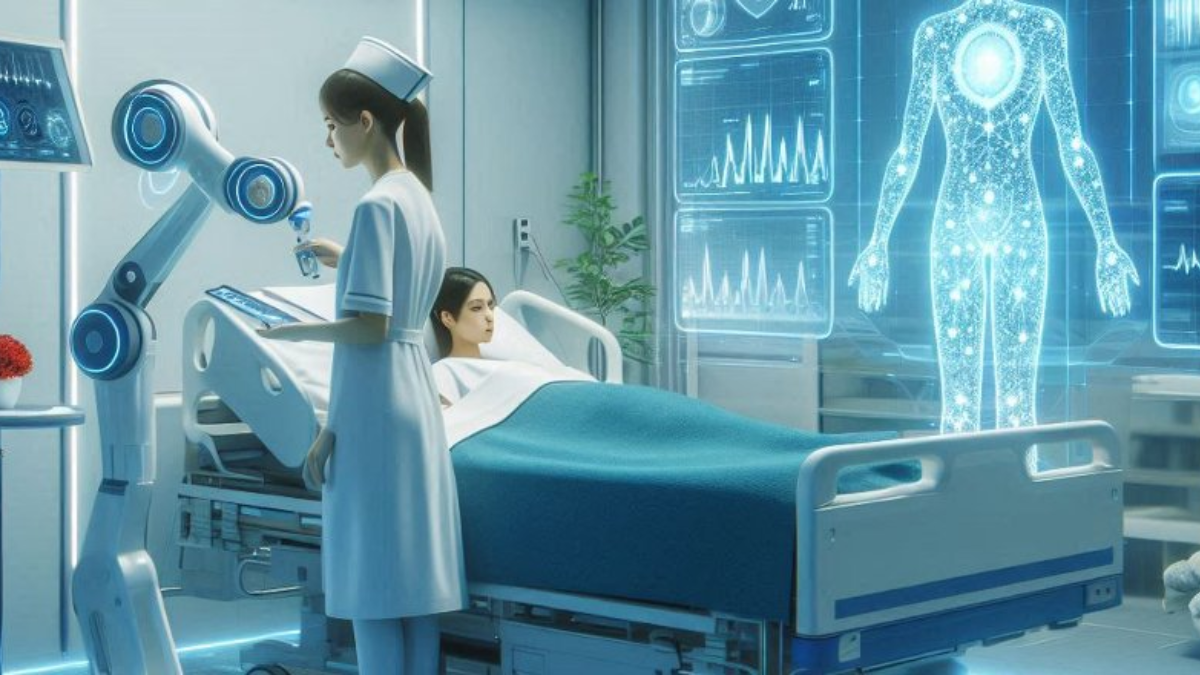
Technology has become the cornerstone of modern healthcare, fundamentally transforming how hospitals deliver patient care. From diagnosis and treatment to monitoring and follow-up, technological advancements have improved accuracy, efficiency, and overall patient experience. Hospitals are increasingly integrating digital tools, artificial intelligence, and advanced medical devices to provide faster, safer, and more personalized care. The adoption of technology not only enhances clinical outcomes but also empowers patients to take an active role in managing their health. In today’s fast-paced healthcare environment, technology plays a crucial role in shaping patient-centered care and redefining the future of hospitals worldwide.
Electronic Health Records (EHRs)
Electronic Health Records (EHRs) are among the most significant technological innovations in modern hospitals. They replace traditional paper-based records, allowing healthcare providers to access comprehensive patient histories instantly. EHRs improve coordination between specialists, reduce medical errors, and streamline administrative processes. Patients benefit from quicker diagnoses and personalized treatment plans. Hospitals can also analyze EHR data to identify health trends, predict risks, and optimize care delivery. The widespread implementation of EHRs has created a more efficient, transparent, and patient-focused healthcare system.
Telemedicine and Remote Monitoring
Telemedicine has revolutionized access to healthcare, enabling patients to consult with doctors virtually, regardless of location. Remote monitoring devices track vital signs, blood glucose, heart rate, and other health parameters, allowing continuous observation of chronic conditions. Patients with mobility issues or those living in remote areas can receive timely care without frequent hospital visits. Telemedicine also reduces hospital overcrowding, shortens waiting times, and allows healthcare professionals to monitor patient recovery in real time. These technological solutions make healthcare more accessible, convenient, and patient-centric.
Artificial Intelligence in Diagnosis and Treatment
Artificial Intelligence (AI) is transforming hospital care by assisting in accurate diagnoses and treatment planning. AI algorithms can analyze vast amounts of medical data, detect patterns, and predict potential health issues. Imaging technologies powered by AI help radiologists identify tumors, fractures, and other abnormalities more precisely. AI also assists in personalized medicine, recommending treatment plans based on individual genetic profiles and clinical history. By integrating AI into patient care, hospitals can reduce errors, improve efficiency, and enhance outcomes, making care more proactive rather than reactive.
Robotics and Minimally Invasive Surgery
Robotic-assisted surgeries have become a hallmark of technological advancement in hospitals. These systems allow surgeons to perform complex procedures with greater precision, smaller incisions, and faster recovery times. Robotics reduce human error and improve surgical outcomes while minimizing post-operative pain and hospital stay. Hospitals equipped with robotic technology can offer patients cutting-edge surgical options that are safer, less invasive, and more efficient. The combination of human expertise and robotic precision exemplifies how technology enhances patient care in modern medical facilities.
Wearable Devices and Health Apps
Wearable devices and health applications empower patients to take charge of their well-being. Smartwatches, fitness trackers, and mobile apps monitor daily activity, heart rate, sleep patterns, and medication adherence. These tools generate real-time data that can be shared with healthcare providers, enabling personalized advice and early intervention. Hospitals increasingly integrate wearable data into care plans, allowing clinicians to monitor progress and adjust treatments remotely. Wearables create a continuous feedback loop between patients and providers, enhancing engagement, accountability, and overall health outcomes.
Digital Diagnostics and Imaging
Advanced diagnostic tools, such as high-resolution imaging, 3D scans, and lab automation, have transformed hospital workflows. Digital imaging systems provide detailed, accurate results faster than traditional methods. Automated laboratories process tests efficiently, reducing waiting times and improving reliability. These technologies support early detection, precise diagnosis, and timely interventions, which are critical for effective treatment. Hospitals leveraging digital diagnostics can offer higher-quality care while optimizing resource utilization and patient experience.
Patient Engagement and Communication Tools
Technology has improved communication between patients and healthcare providers through mobile apps, online portals, and secure messaging platforms. Patients can access test results, schedule appointments, communicate with doctors, and receive reminders for medications or follow-ups. Enhanced communication fosters trust, improves adherence to treatment plans, and encourages active participation in health management. Hospitals that implement these tools enhance patient satisfaction and build stronger relationships between patients and caregivers, leading to better health outcomes.
Data Analytics and Predictive Healthcare
Big data analytics allows hospitals to analyze patient information to predict health risks, manage population health, and optimize hospital operations. Predictive models help identify patients at high risk for chronic diseases, readmissions, or complications. By proactively addressing these risks, hospitals can reduce costs, improve patient safety, and enhance long-term outcomes. Data-driven decision-making also supports resource allocation, staffing, and inventory management, creating more efficient and responsive healthcare environments.
Challenges and Considerations
Despite the benefits, integrating technology in hospitals presents challenges. High implementation costs, cybersecurity risks, data privacy concerns, and staff training requirements can hinder adoption. Ensuring equitable access to digital healthcare services and maintaining human touch in patient interactions are critical considerations. Hospitals must balance innovation with ethical and practical concerns, ensuring that technology enhances care without creating new barriers for patients.
Conclusion
Technology is transforming patient care by improving accuracy, efficiency, accessibility, and engagement in today’s hospitals. From EHRs and telemedicine to AI, robotics, wearables, and digital diagnostics, technological innovations empower healthcare providers to deliver personalized, proactive, and patient-centered care. Hospitals that embrace technology not only enhance clinical outcomes but also create a more connected, informed, and healthier patient population. As technology continues to evolve, hospitals will play a pivotal role in shaping a future where healthcare is more efficient, equitable, and effective for everyone.
FAQs
Q1: How does technology improve patient safety in hospitals?
Technology such as AI, EHRs, and digital diagnostics reduces errors, enhances monitoring, and supports accurate treatment decisions, improving overall patient safety.
Q2: What role does telemedicine play in modern patient care?
Telemedicine provides remote consultations, continuous monitoring, and access to healthcare for patients in remote or underserved areas, enhancing convenience and timely care.
Q3: How are wearable devices used in hospitals?
Wearable devices track vital signs, activity, and medication adherence, providing real-time data to healthcare providers for personalized care and early interventions.
Q4: What are the benefits of robotic-assisted surgery?
Robotic surgeries allow precision, smaller incisions, reduced recovery time, and lower risk of complications, improving surgical outcomes and patient experience.
Q5: What challenges do hospitals face in adopting technology?
Hospitals must manage costs, cybersecurity, data privacy, staff training, and ensure equitable access while maintaining the human aspect of patient care.
