
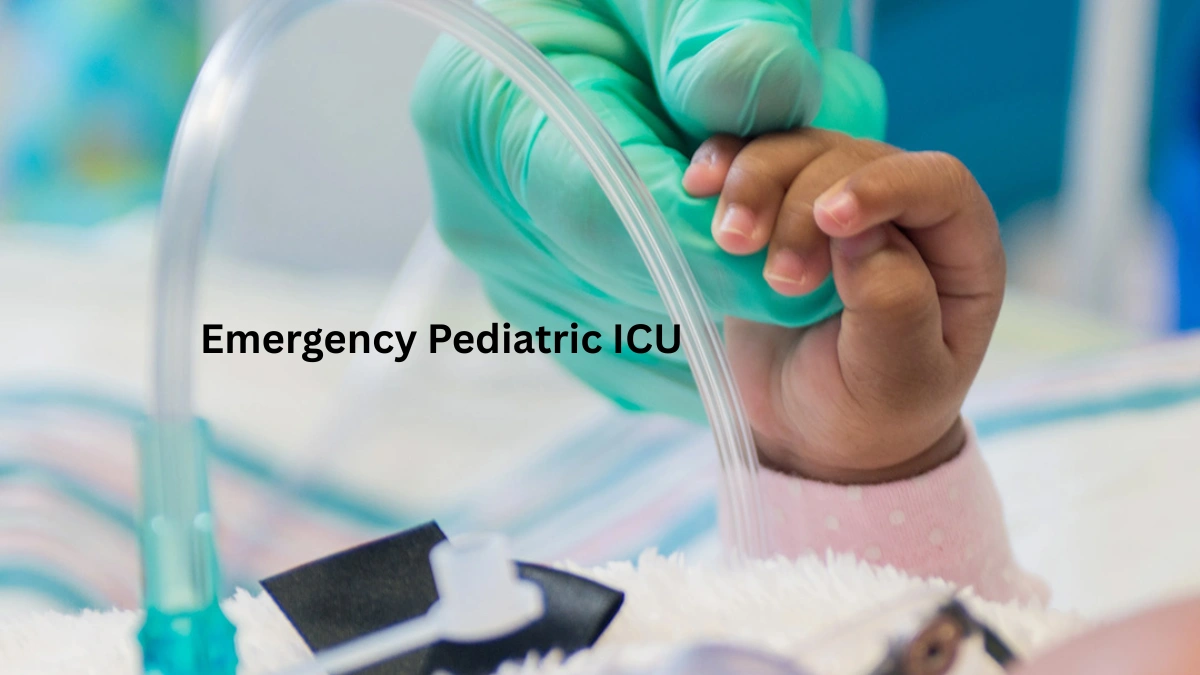
Where can you find the best Emergency Pediatric ICU (PICU)? Learn how to identify top PICU hospitals, key features, emergency readiness, and expert pediatric critical care.
Introduction
When a child faces a life-threatening medical emergency, every second matters. Parents and caregivers are suddenly placed in the most stressful situation imaginable—making rapid decisions that can affect their child’s survival and long-term health. In such moments, the quality of care provided by an Emergency Pediatric Intensive Care Unit (PICU) becomes critically important.
A Pediatric ICU is not just a hospital ward; it is a highly specialized environment designed exclusively for critically ill infants, children, and adolescents. The best Emergency PICU combines advanced technology, highly trained pediatric specialists, evidence-based protocols, and compassionate, family-centered care.
This comprehensive guide explores where you can find the best Emergency Pediatric ICU (PICU), what makes a PICU exceptional, how to identify top-quality facilities across different countries, and what parents should look for during emergencies.
Understanding What an Emergency Pediatric ICU (PICU) Is
A Pediatric Intensive Care Unit (PICU) is a specialized unit within a hospital that provides intensive medical care to children suffering from severe, life-threatening illnesses or injuries.
What Makes a PICU Different from an Adult ICU?
Children are not small adults. Their bodies respond differently to illness, trauma, medications, and procedures. The best PICUs are designed specifically to meet pediatric needs, including:
- Child-specific medical equipment
- Pediatric medication dosing systems
- Developmentally appropriate care
- Child-friendly environments
- Pediatric-trained intensive care specialists
An Emergency PICU operates 24/7 and is capable of receiving critically ill children directly from emergency departments, ambulances, or air medical transport services.
Why Choosing the Best Emergency PICU Matters
Selecting the right PICU can significantly impact outcomes such as survival rates, recovery time, and long-term development.
Key Reasons Quality Matters
- Rapid response saves lives
- Specialized pediatric expertise reduces complications
- Advanced monitoring allows early detection of deterioration
- Multidisciplinary care improves recovery outcomes
- Family-centered support reduces emotional trauma
The best PICUs are structured to handle complex emergencies efficiently while maintaining emotional sensitivity toward families.
Core Characteristics of the Best Emergency Pediatric ICUs
1. Board-Certified Pediatric Intensivists
The presence of pediatric intensivists—doctors specially trained in pediatric critical care—is non-negotiable. The best PICUs have:
- 24/7 on-site pediatric intensivist coverage
- Subspecialists on immediate call (cardiology, neurology, pulmonology, surgery)
- Continuous medical education and training programs
2. Advanced Pediatric Life-Support Technology
Top PICUs are equipped with cutting-edge medical technologies, including:
- Pediatric ventilators and non-invasive respiratory support
- Continuous cardiac and neurological monitoring
- ECMO (Extracorporeal Membrane Oxygenation) capability
- Advanced imaging access
- Real-time laboratory diagnostics
Technology enables precise, rapid, and safer treatment decisions.
3. Specialized Pediatric Nursing Teams
Highly skilled pediatric ICU nurses form the backbone of critical care. The best units ensure:
- Low nurse-to-patient ratios
- Specialized PICU training and certifications
- Expertise in pediatric emergency procedures
- Emotional intelligence and family communication skills
4. Multidisciplinary Emergency Response Teams
Exceptional PICUs operate through coordinated teams that may include:
- Pediatric intensivists
- Pediatric surgeons
- Emergency medicine physicians
- Respiratory therapists
- Pharmacists specialized in pediatrics
- Child life specialists
- Nutritionists and rehabilitation experts
This integrated approach ensures comprehensive and continuous care.
Where Can You Find the Best Emergency Pediatric ICU?
The best Emergency PICUs are typically found in tertiary and quaternary care hospitals, especially those associated with teaching institutions or dedicated children’s hospitals.
1. Dedicated Children’s Hospitals
Standalone children’s hospitals are widely regarded as the gold standard for pediatric critical care. These facilities offer:
- Exclusive focus on pediatric medicine
- Specialized emergency departments for children
- Comprehensive PICU services
- Child-friendly environments
Such hospitals often report higher survival rates and better long-term outcomes for critically ill children.
2. University-Affiliated Medical Centers
Teaching hospitals linked to medical universities provide:
- Access to the latest research and clinical trials
- Highly trained specialists
- Evidence-based care protocols
- Advanced diagnostic and treatment options
These centers are often referral hubs for complex pediatric cases.
3. Regional Pediatric Trauma Centers
For emergencies involving severe trauma, burns, or accidents, the best care is provided at pediatric trauma centers that include advanced PICU facilities. These centers offer:
- Rapid trauma response teams
- Pediatric surgical expertise
- Integrated emergency and ICU care
- 24/7 trauma readiness
Best Emergency Pediatric ICU by Country (Overview)
United States
The United States is home to many globally recognized pediatric hospitals. The best Emergency PICUs are typically located in:
- Dedicated children’s hospitals
- Level I pediatric trauma centers
- Academic medical institutions
These facilities emphasize research, innovation, and evidence-based pediatric critical care.
United Kingdom
In the UK, top Emergency PICUs are often found within:
- NHS children’s hospitals
- Regional pediatric intensive care networks
- Teaching hospitals affiliated with medical schools
Centralized care systems ensure rapid referral to specialized PICUs.
Canada
Canada’s best Emergency PICUs operate within:
- Major pediatric hospitals
- University-affiliated healthcare centers
- Provincial referral hospitals
They focus heavily on family-centered care and equitable access.
Australia
Australia offers high-quality pediatric critical care through:
- Tertiary children’s hospitals
- Public health system PICUs
- Advanced retrieval and transport services
The country is known for excellent neonatal and pediatric intensive care standards.
Other Regions
Many countries across Europe, Asia, and the Middle East have invested heavily in pediatric critical care, with world-class PICUs located in major metropolitan hospitals.
How to Identify the Best Emergency PICU Near You
Accreditation and Certifications
Look for hospitals with:
- National or international healthcare accreditation
- Pediatric ICU-specific certifications
- Compliance with pediatric safety standards
Emergency Readiness
The best PICUs offer:
- 24/7 emergency admissions
- Pediatric transport and retrieval services
- Rapid triage systems
- On-site pediatric subspecialists
Outcomes and Reputation
High-quality PICUs are often recognized for:
- Low mortality rates
- High patient safety scores
- Strong peer and professional reputation
- Positive family feedback
Common Conditions Treated in Emergency PICUs
Emergency Pediatric ICUs manage a wide range of critical conditions, including:
- Severe infections and sepsis
- Respiratory failure
- Congenital heart emergencies
- Traumatic injuries
- Neurological crises
- Post-operative complications
- Poisoning and overdose
- Severe asthma attacks
The ability to manage diverse emergencies defines an exceptional PICU.
Family-Centered Care in the Best PICUs
The best Emergency PICUs understand that families are essential partners in care.
Family-Focused Practices Include:
- Open or flexible visitation policies
- Clear and compassionate communication
- Family involvement in care decisions
- Psychological and emotional support services
- Accommodation and counseling support
Family-centered care improves trust, satisfaction, and even clinical outcomes.
Emergency Transport and Retrieval Services
Top PICUs often operate or collaborate with specialized pediatric transport teams that include:
- Pediatric critical care physicians
- Specialized transport nurses
- Advanced life-support ambulances or air transport
This ensures critically ill children receive ICU-level care even before arriving at the hospital.
Technology and Innovation in Leading PICUs
The best Emergency PICUs stay at the forefront of innovation through:
- Artificial intelligence monitoring systems
- Advanced ventilatory strategies
- Precision medicine approaches
- Simulation-based staff training
- Tele-PICU services for remote consultation
Innovation leads to faster diagnosis, safer care, and better outcomes.
What Parents Should Do in a Pediatric Emergency
Immediate Steps
- Seek emergency medical help immediately
- Go to the nearest emergency department with pediatric services
- Ask whether a PICU is available on-site
- Ensure transfer to a specialized PICU if needed
Key Questions to Ask
- Is there a pediatric intensivist on duty?
- Does the hospital have a dedicated PICU?
- Can specialized pediatric care be provided immediately?
- Is transfer to a higher-level PICU available?
Preparedness can make a critical difference.
The Future of Emergency Pediatric Intensive Care
The future of PICU care includes:
- Personalized pediatric medicine
- Enhanced remote monitoring
- Expanded tele-ICU networks
- Improved global access to pediatric critical care
- Greater focus on long-term recovery and quality of life
Leading PICUs continuously evolve to meet future challenges.
FAQs
What is the difference between NICU and PICU?
NICU treats newborns, while PICU treats infants, children, and adolescents with critical illnesses.
How do I know if a hospital has a PICU?
Hospitals typically list specialized units, or emergency staff can confirm PICU availability.
Can parents stay with their child in the PICU?
Most top PICUs encourage parental presence and involvement in care.
Are all emergency departments equipped with PICUs?
No, only hospitals with specialized pediatric services have PICUs.
What makes a PICU “the best”?
Expert staff, advanced technology, strong outcomes, and family-centered care.
Should I choose a children’s hospital over a general hospital?
For critical pediatric emergencies, children’s hospitals often provide superior specialized care.
Conclusion
Finding the best Emergency Pediatric ICU (PICU) can be one of the most important decisions a parent ever faces. The best PICUs are located in dedicated children’s hospitals, university-affiliated medical centers, and advanced pediatric trauma facilities. They are defined by specialized expertise, advanced technology, rapid emergency response, and compassionate family-centered care.
Understanding what to look for—and where to look—can empower families to act confidently during medical emergencies. When it comes to saving a child’s life, access to the right PICU at the right time makes all the difference.
