
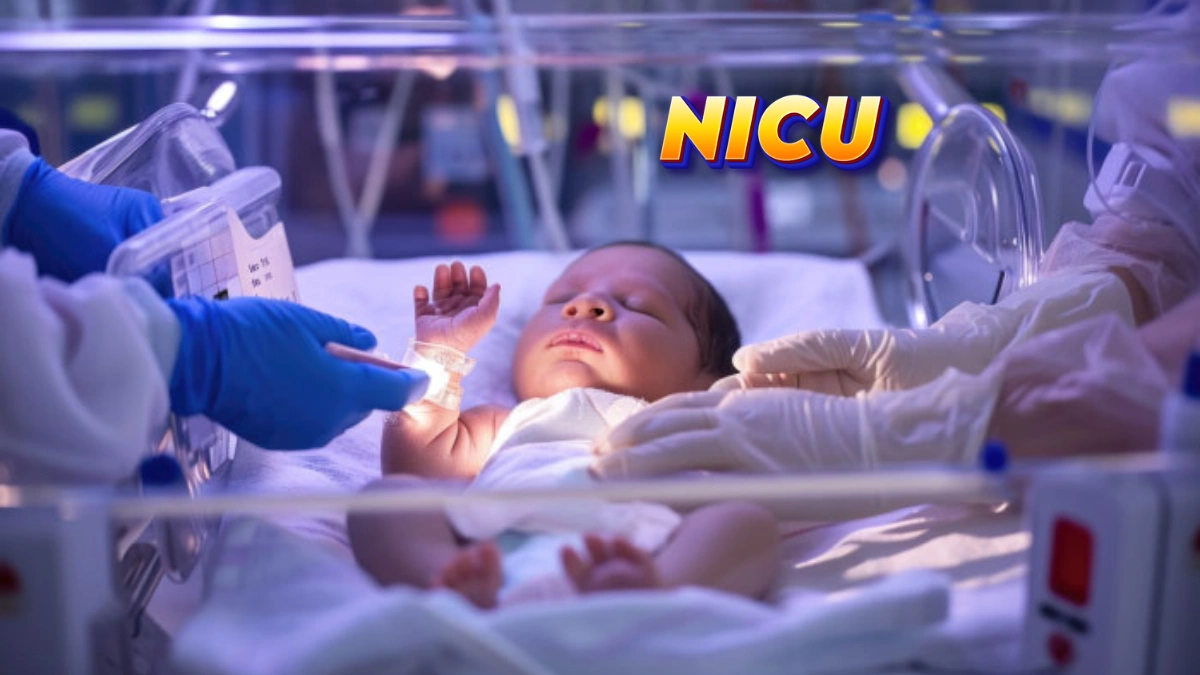
Discover where to find the best Neonatal Intensive Care Unit (NICU). Learn how to choose top NICU hospitals, key facilities, expert doctors, technology, success rates, FAQs, and essential factors parents must know.
Introduction
The birth of a baby is one of life’s most precious moments. However, when a newborn requires specialized medical attention due to premature birth, low birth weight, infections, or congenital conditions, parents often face an overwhelming and emotional journey. This is where a Neonatal Intensive Care Unit (NICU) becomes a lifeline.
Many parents ask an important question: Where can you find the best Neonatal Intensive Care Unit (NICU)? The answer depends on several factors, including medical expertise, technology, hospital infrastructure, location, and outcomes.
This comprehensive guide will help you understand what a NICU is, what makes a NICU the best, how to choose the right hospital, and where globally and locally you are most likely to find world-class NICU care.
What Is a Neonatal Intensive Care Unit (NICU)?
A Neonatal Intensive Care Unit (NICU) is a specialized hospital unit designed to care for critically ill or premature newborns. These units are equipped with advanced medical technology and staffed by highly trained professionals who specialize in neonatal medicine.
NICUs care for babies who:
- Are born prematurely (before 37 weeks)
- Have low birth weight
- Experience breathing difficulties
- Have infections or sepsis
- Are born with congenital or genetic conditions
- Require surgery soon after birth
NICUs operate 24/7 and provide continuous monitoring, life-support systems, and specialized treatments.
Levels of NICU Care Explained
Understanding NICU levels is crucial when searching for the best NICU hospital.
Level I – Basic Newborn Care
- Care for healthy full-term babies
- Can stabilize infants before transfer
Level II – Special Care Nursery
- Care for moderately premature or ill infants
- Provide oxygen therapy and IV nutrition
Level III – Advanced NICU
- Care for very premature and critically ill infants
- Advanced ventilation and imaging
- On-site pediatric specialists
Level IV – Highest Level NICU
- Comprehensive surgical and medical care
- Pediatric surgeons and subspecialists available 24/7
- Handle the most complex neonatal cases
The best NICUs are typically Level III or Level IV units.
What Makes a NICU the Best?
The “best” NICU is not defined by size alone but by quality, expertise, and outcomes. Here are the key factors that define an excellent NICU.
1. Highly Qualified Neonatologists
Top NICUs are led by board-certified neonatologists with extensive experience in managing complex neonatal conditions.
2. Advanced Medical Technology
The best NICUs use:
- High-frequency ventilators
- ECMO (Extracorporeal Membrane Oxygenation)
- Advanced incubators
- Continuous monitoring systems
- Digital imaging and diagnostics
3. Multidisciplinary Medical Team
A world-class NICU includes:
- Neonatal nurses
- Pediatric surgeons
- Respiratory therapists
- Nutritionists
- Lactation consultants
- Developmental specialists
4. High Survival and Success Rates
Hospitals with strong clinical outcomes, especially for extremely premature babies, are often considered the best.
5. Family-Centered Care
The best NICUs involve parents in care decisions and encourage bonding through:
- Kangaroo care
- Parental education programs
- Emotional and psychological support
6. Accreditation and Certifications
Look for hospitals accredited by national or international healthcare authorities.
Where Can You Find the Best NICU Hospitals?
Best NICUs in the United States
The United States is home to many world-renowned NICUs, particularly in large academic medical centers and children’s hospitals. These hospitals typically offer Level IV NICU care with advanced neonatal surgery and research-backed treatment protocols.
Key features of top U.S. NICUs include:
- Cutting-edge research
- Highly specialized neonatology teams
- Advanced life-support technologies
- Strong survival outcomes for extremely preterm infants
Major metropolitan cities and university-affiliated hospitals often house the most advanced NICUs.
Best NICUs in the United Kingdom
The UK’s healthcare system offers excellent neonatal care through specialized neonatal networks. Top NICUs are usually found in teaching hospitals and regional neonatal centers.
Strengths of UK NICUs include:
- Integrated neonatal networks
- Evidence-based treatment guidelines
- Strong follow-up and developmental care
Best NICUs in Canada
Canada is known for its patient-focused healthcare system. Leading NICUs are typically located in major children’s hospitals and academic medical centers.
Highlights include:
- Advanced neonatal research
- Family-centered care approach
- High standards of safety and infection control
Best NICUs in Australia
Australia offers some of the best neonatal care in the world, particularly in tertiary and quaternary hospitals.
Key advantages:
- Highly trained neonatal specialists
- Advanced neonatal transport systems
- Strong focus on long-term outcomes
Best NICUs in Asia and the Middle East
Countries such as India, Singapore, Japan, South Korea, and the UAE have rapidly advanced neonatal care facilities.
Features include:
- State-of-the-art NICU infrastructure
- Internationally trained neonatologists
- Cost-effective treatment options (in some regions)
Large corporate hospitals and teaching institutions often house top NICUs.
How to Choose the Best NICU for Your Baby
Choosing the right NICU is a critical decision. Here’s how parents can evaluate options:
1. Determine the Level of Care Needed
If your baby is extremely premature or requires surgery, a Level III or IV NICU is essential.
2. Review Hospital Experience
Hospitals that manage a high number of neonatal cases often have better outcomes.
3. Ask About Neonatal Specialists
Ensure 24/7 availability of neonatologists and pediatric subspecialists.
4. Evaluate Facilities and Technology
Modern equipment and updated treatment protocols make a significant difference.
5. Consider Location and Accessibility
Proximity matters, especially for prolonged NICU stays.
6. Understand Family Support Services
Parent counseling, accommodation options, and lactation support are important.
Role of NICU Nurses in Quality Care
NICU nurses play a vital role in neonatal outcomes. The best NICUs employ nurses who:
- Are specially trained in neonatal care
- Maintain low nurse-to-patient ratios
- Provide emotional support to families
Their expertise significantly impacts recovery and development.
Importance of Infection Control in NICUs
Newborns have underdeveloped immune systems. The best NICUs follow strict infection control protocols, including:
- Sterile environments
- Hand hygiene compliance
- Controlled visitor access
- Advanced air filtration systems
Low infection rates are a strong indicator of NICU quality.
Cost of NICU Care and Financial Considerations
NICU care can be expensive, especially for long stays. The best hospitals often provide:
- Transparent billing
- Insurance coordination
- Financial counseling
- Government or charitable support programs
Understanding costs in advance helps families plan better.
Emotional Support for Parents in NICU
Having a baby in the NICU can be emotionally draining. Top NICUs offer:
- Counseling services
- Parent support groups
- Mental health resources
- Education programs
Emotional well-being of parents positively impacts infant recovery.
Long-Term Follow-Up and Developmental Care
The best NICUs do not stop care at discharge. They provide:
- Developmental follow-up clinics
- Early intervention programs
- Nutritional and growth monitoring
This ensures better long-term outcomes for NICU graduates.
Common Conditions Treated in NICUs
Top NICUs specialize in treating:
- Respiratory distress syndrome
- Neonatal sepsis
- Congenital heart defects
- Brain hemorrhage
- Jaundice complications
- Feeding and growth disorders
FAQs About the Best NICU
What is the highest level NICU?
Level IV is the highest NICU level, offering comprehensive medical and surgical care.
How do I know if a hospital has a good NICU?
Check NICU level, survival rates, staff qualifications, technology, and family support services.
Are private hospitals better than government hospitals for NICU care?
Not always. Many government and teaching hospitals provide world-class NICU care with excellent outcomes.
Can parents stay with babies in the NICU?
Most top NICUs encourage parental involvement and offer visitation and accommodation options.
How long do babies stay in the NICU?
NICU stays vary from a few days to several months, depending on the baby’s condition.
Is NICU care safe for premature babies?
Yes. Modern NICUs are designed to provide the safest environment for fragile newborns.
Do all hospitals have NICUs?
No. Only specialized hospitals have Level II, III, or IV NICUs.
Final Thoughts
Finding the best Neonatal Intensive Care Unit (NICU) is one of the most important decisions a parent may ever make. The best NICUs combine expert medical teams, advanced technology, compassionate care, and strong clinical outcomes.
Whether you are searching in the United States, UK, Canada, Australia, or other regions, focus on NICU level, experience, and family support. With the right NICU, even the smallest and most fragile babies have the strongest chance to grow, thrive, and lead healthy lives.
