
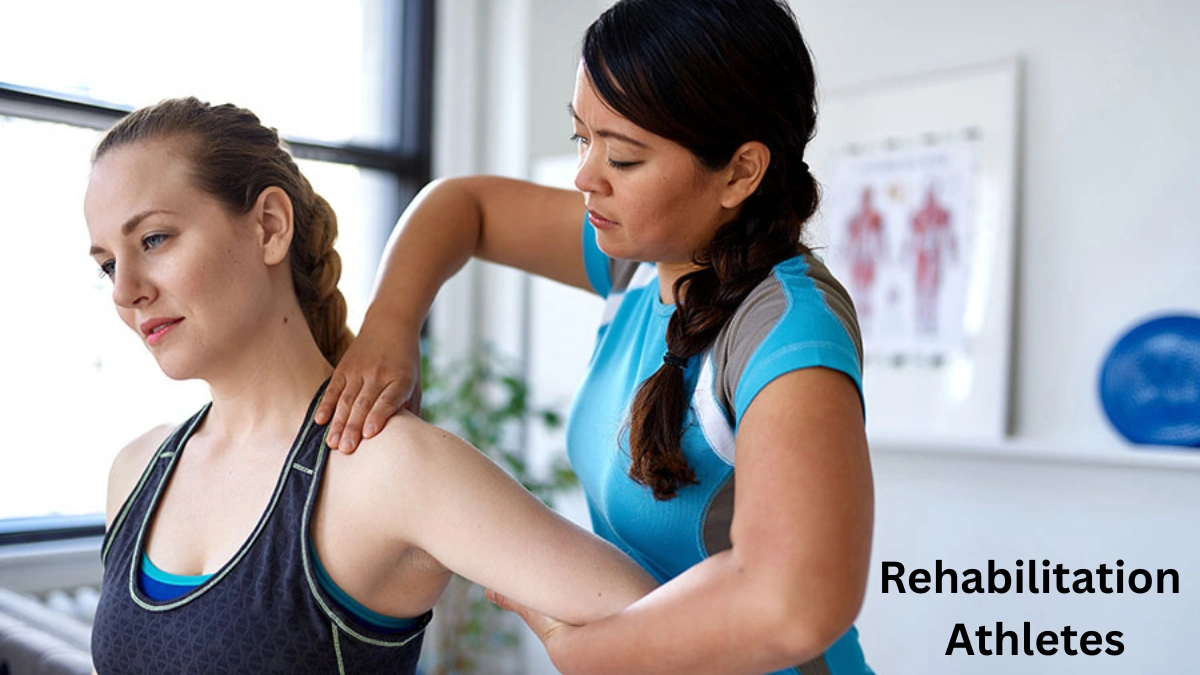
Discover where athletes can find world-class rehabilitation. Explore top facilities, treatment methods, recovery technologies, and expert guidance for peak performance.
Introduction
Athletes are high-performance individuals whose bodies undergo constant stress, intense training, and repetitive physical load. Whether competing professionally, playing at a collegiate level, or simply pursuing fitness with passion, injury risk is always present. That is why world-class rehabilitation has become a critical component of modern sports. Today’s elite rehab facilities go far beyond basic physiotherapy—they combine advanced technology, data-driven recovery methods, sports science, biomechanics, and personalized performance training.
But many athletes still ask: Where can you find world-class rehabilitation for athletes?
The answer lies in understanding what “world-class” truly means. It’s not only about famous names or luxurious centers—it’s about scientifically backed techniques, cutting-edge tools, expert therapists, personalized care, and holistic performance management.
This comprehensive guide explores the world’s top rehabilitation destinations, key components of elite rehab programs, technologies used by professional athletes, how to choose the best center, and what a high-performance recovery experience looks like from start to finish.
What Makes Rehabilitation “World-Class”?
Before exploring global centers, it’s important to understand the standards that define elite sports rehabilitation.
1. Multidisciplinary Care
World-class centers combine the expertise of:
- Sports physiotherapists
- Orthopedic specialists
- Performance coaches
- Chiropractors
- Neuromuscular therapists
- Mental health experts
- Nutritionists
- Strength and conditioning coaches
This multidisciplinary model ensures complete physical and mental recovery.
2. Advanced Diagnostic Tools
Top rehabilitation facilities use technology that provides real-time insights into performance and injury severity. These include:
- 3D motion capture
- Gait analysis systems
- AI-driven injury screening
- Force plate assessment
- Musculoskeletal ultrasound
- Digital posture analysis
Accurate diagnosis leads to faster, more targeted recovery.
3. Cutting-Edge Therapy Techniques
Modern therapy goes beyond stretching and massage. World-class centers use innovative, science-backed methods like:
- Dry needling
- Shockwave therapy
- Cold laser therapy
- Hyperbaric oxygen therapy
- Blood flow restriction (BFR) training
- Regenerative injections (PRP, stem cell-based treatments)
- Aquatic therapy
These accelerate healing and reduce downtime.
4. Performance Testing & Optimization
Rehabilitation is not only about returning from injury—it’s about returning stronger.
High-end facilities provide:
- VO₂ max testing
- Lactate threshold analysis
- Strength asymmetry evaluation
- Agility and speed testing
- Sport-specific functional drills
Athletes leave with data that improves long-term performance, not just recovery.
5. Individualized Recovery Programs
Every athlete is unique, so their recovery must be personalized according to:
- Sport type
- Competition schedule
- Injury history
- Physical condition
- Age
- Goals
World-class centers create detailed recovery roadmaps tailored to each athlete’s profile.
Global Destinations Known for World-Class Rehabilitation
1. United States: Epicenter of Sports Science Innovation
The U.S. hosts some of the most advanced sports rehab centers globally. With professional leagues like the NBA, NFL, and MLB demanding elite care, American facilities offer cutting-edge technology and expert sports medicine teams.
Why Athletes Choose the U.S.
- Access to top orthopedic surgeons
- Advanced sports-science research
- State-of-the-art recovery tools
- Strong integration between rehab and performance training
Centers typically include cryotherapy chambers, anti-gravity treadmills, hyperbaric oxygen rooms, and movement labs equipped with AI-driven biomechanics systems.
2. United Kingdom: Leaders in High-Performance Sports Medicine
The U.K. is home to some of the world’s most respected sports science institutions. Their rehabilitation approach focuses heavily on biomechanics, physiotherapy excellence, and evidence-based recovery.
Why Athletes Choose the U.K.
- Strong sports physiotherapy culture
- Elite sports psychology programs
- Olympic-level performance centers
- Comprehensive long-term rehabilitation
They provide integrated medical and performance services ideal for both professional and semi-professional athletes.
3. Canada: A Hub for Holistic Athlete Rehabilitation
Canada emphasizes a mix of physical rehabilitation, mental well-being, and long-term recovery strategies.
Why Athletes Prefer Canada
- Highly skilled sports physiotherapists
- Excellent environment for altitude training
- Integrated nutrition and mental health programs
- Access to regenerative medicine
Canada’s athlete-centric care focuses on complete physical and emotional recovery.
4. Australia: High-Performance Science Excellence
Australia is renowned for sports performance research and world-leading physiotherapy education.
Why Athletes Choose Australia
- Olympic-grade training facilities
- Strong sports physiotherapy culture
- Outdoor recovery environments
- Advanced aquatic therapy programs
Many athletes travel here for cricket, rugby, swimming, and soccer-focused recovery.
5. Germany: Precision Medicine & Rehabilitation
Germany’s sports rehabilitation is influenced by its strength in medical technology and orthopedic research.
Athletes Value Germany for
- Precision diagnostics
- Evidence-driven treatment plans
- Advanced regenerative therapies
- Strong post-surgery recovery programs
German facilities are popular among athletes with complex injuries.
6. South Korea & Japan: Innovative Tech-Driven Rehabilitation
Asia is quickly becoming a leader in sports rehab due to its dedication to technological advancements.
Why Athletes Choose Korea & Japan
- Robotics-assisted rehabilitation
- AI-powered movement analysis
- High-tech muscle stimulation therapy
- Modern, clean, efficient facilities
Athletes benefit from immersive recovery supported by next-level technologies.
Key Technologies Used in World-Class Rehabilitation
Rehabilitation has evolved dramatically due to advancements in sports science. Below are technologies that define elite rehab centers.
1. Cryotherapy Chambers
Whole-body cryotherapy reduces inflammation, speeds up muscle recovery, and enhances performance.
2. Anti-Gravity Treadmills
Used after surgery or major injuries, they allow athletes to run with reduced joint pressure.
3. Hyperbaric Oxygen Therapy (HBOT)
Increases oxygen delivery to tissues, accelerating recovery from bone, muscle, and ligament injuries.
4. Blood Flow Restriction (BFR) Training
Allows strength-building with low loads—ideal for injury recovery phases.
5. 3D Motion Capture & Biomechanics Labs
Analyze movement patterns to detect weaknesses and prevent re-injury.
6. Regenerative Medicine
Athletes often use:
- PRP therapy
- Stem cell injections
- Prolotherapy
These speed up tissue regeneration naturally.
7. Aquatic Therapy Systems
Pools with underwater treadmills reduce impact on joints while maintaining muscle activation.
What a World-Class Athlete Rehabilitation Program Looks Like
Step 1: Comprehensive Evaluation
Athletes undergo:
- Injury assessment
- MRI or ultrasound imaging
- Biomechanical testing
- Lifestyle evaluations
Step 2: Personalized Recovery Plan
Includes timelines for:
- Pain management
- Mobility restoration
- Strength rebuilding
- Sport-specific training
- Mental conditioning
Step 3: Therapy & Treatment
Daily recovery routines include:
- Manual therapy
- Strength and conditioning
- Mobility training
- Regenerative treatments
Step 4: Performance Optimization
As the athlete improves, the focus shifts to:
- Speed and agility
- Plyometric training
- Conditioning
- Functional drills
Step 5: Return-to-Sport Readiness Testing
Athletes undergo tests to ensure they are ready to return safely.
Step 6: Long-Term Monitoring
Top facilities track an athlete’s performance post-recovery to prevent future injuries.
How to Choose the Best Rehabilitation Center for Athletes
1. Check Staff Expertise
Look for certifications in:
- Sports physiotherapy
- Strength & conditioning
- Sports medicine
2. Evaluate Technology Availability
Does the center have:
- Cryotherapy?
- Hyperbaric oxygen?
- 3D motion capture?
3. Personalized Treatment
Avoid “one-size-fits-all” facilities.
4. Athlete Testimonials
Feedback helps verify credibility.
5. Treatment Approach
Should include rehab + performance + prevention.
6. Recovery Environment
Comfort, privacy, and safety matter.
Why World-Class Rehabilitation Matters for Athletes
1. Faster Recovery
Advanced tools reduce downtime significantly.
2. Reduced Risk of Re-Injury
Biomechanics and corrective training help prevent recurring injuries.
3. Better Performance
Rehab enhances strength, agility, and endurance.
4. Mental Strength
Sports psychology aides in confidence restoration.
5. Long-Term Career Longevity
Athletes maintain performance for years with proper recovery.
FAQs
1. What is world-class athlete rehabilitation?
It refers to rehabilitation programs that use advanced technology, expert care, personalized training, and scientifically proven methods to help athletes recover quickly and safely.
2. Who needs world-class rehabilitation?
Professional athletes, collegiate players, fitness enthusiasts, and anyone recovering from sports injuries.
3. How long does athlete rehabilitation take?
Duration varies by injury severity—typically 2 weeks to several months.
4. What technologies are used in elite rehab centers?
Cryotherapy, anti-gravity treadmills, force plates, 3D motion capture, and hyperbaric oxygen chambers.
5. Can athletes return stronger after world-class rehab?
Yes. The goal is not just recovery but performance enhancement.
6. Do these facilities offer mental health support?
Most world-class centers provide sports psychology and stress-management services.
7. Is world-class rehabilitation expensive?
Yes, but costs vary by country and facility. Insurance may cover some treatments.
8. Can non-professional athletes use these rehab centers?
Yes. Many facilities accept recreational athletes and fitness enthusiasts.
