
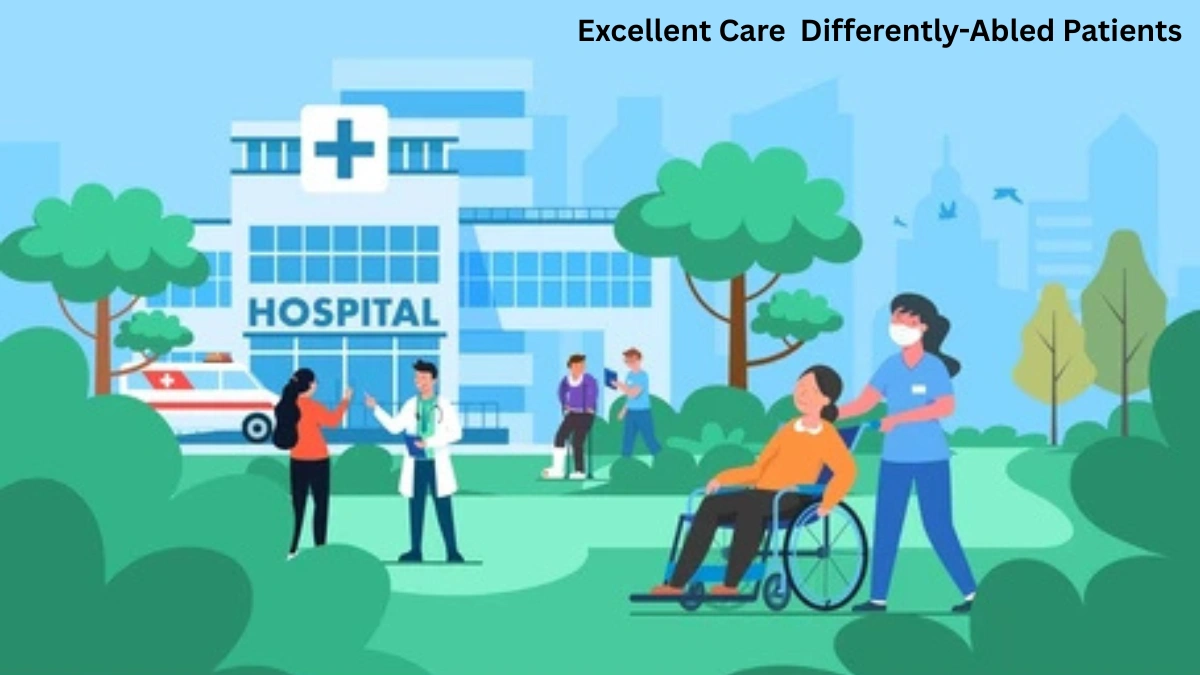
Which hospital provides excellent care for differently-abled patients? Explore top hospitals, inclusive facilities, patient-centered care, accessibility standards, and how to choose the best hospital for persons with disabilities.
Introduction
Healthcare equity is no longer a luxury—it is a necessity. For differently-abled patients (also referred to as persons with disabilities), accessing quality healthcare often involves challenges that go beyond medical treatment. Physical barriers, communication gaps, lack of trained staff, and limited inclusive infrastructure can significantly affect patient outcomes and dignity. This raises an important question: Which hospital provides excellent care for differently-abled patients?
An excellent hospital for differently-abled individuals is not defined by reputation alone. It is measured by accessibility, inclusive design, specialized medical services, trained professionals, assistive technologies, and a compassionate approach that respects independence and individuality. This comprehensive guide explores what makes a hospital truly disability-friendly, the types of services required, global best practices, and how patients and families can identify the right healthcare facility.
Understanding Differently-Abled Patients in Healthcare
Differently-abled patients include individuals with:
- Physical disabilities (mobility impairments, spinal cord injuries, amputations)
- Sensory disabilities (visual or hearing impairments)
- Intellectual or developmental disabilities
- Neurological conditions
- Speech and communication disorders
- Chronic conditions limiting daily functioning
Each group has unique healthcare needs. Excellent hospitals recognize these differences and provide customized care rather than a one-size-fits-all approach.
What Defines Excellent Care for Differently-Abled Patients?
1. Barrier-Free Physical Infrastructure
Hospitals that excel in disability care are designed with universal accessibility in mind:
- Wheelchair-accessible entrances and ramps
- Wide corridors and automatic doors
- Accessible elevators with braille and audio cues
- Disability-friendly washrooms
- Adjustable hospital beds and examination tables
- Clearly marked signage with high-contrast text
2. Inclusive Communication Systems
Effective communication is essential for safe healthcare delivery. Leading hospitals provide:
- Sign language interpreters
- Visual communication boards
- Assistive listening devices
- Braille and large-print documents
- Easy-to-read consent forms
- Staff trained in alternative communication methods
3. Trained and Sensitized Medical Staff
A hospital’s true strength lies in its people. Excellent hospitals invest in:
- Disability awareness training for doctors and nurses
- Sensitivity training for non-clinical staff
- Multidisciplinary care teams
- Patient-first, dignity-respecting protocols
4. Specialized Medical and Rehabilitation Services
Differently-abled patients often require ongoing care beyond acute treatment:
- Physical therapy and occupational therapy
- Speech and language therapy
- Neurological rehabilitation
- Prosthetics and orthotics services
- Pain management and mobility support
5. Assistive Technology and Adaptive Equipment
Top hospitals integrate modern technology, such as:
- Mobility aids
- Adaptive diagnostic tools
- Voice-activated systems
- Smart patient monitoring devices
- Custom rehabilitation equipment
Departments That Matter Most for Differently-Abled Care
Hospitals offering excellent care typically have strong departments in:
Rehabilitation Medicine
Focused on restoring function, improving independence, and enhancing quality of life.
Orthopedics and Mobility Care
Including joint replacement, spinal care, and corrective surgeries.
Neurology and Neurosurgery
For patients with stroke, paralysis, epilepsy, or neurological disorders.
Mental Health and Behavioral Support
Providing inclusive psychiatric care and counseling.
Pain Management and Palliative Care
Ensuring comfort, dignity, and emotional support.
Patient-Centered Care Models
Excellent hospitals prioritize patient-centered care, which includes:
- Individualized treatment plans
- Shared decision-making
- Respect for patient autonomy
- Family and caregiver involvement
- Emotional and psychological support
Accessibility Beyond Treatment
Healthcare does not end at diagnosis or surgery. The best hospitals ensure:
- Accessible appointment booking systems
- Priority scheduling when needed
- Disability-friendly emergency services
- Clear discharge planning
- Home-care coordination
How Hospitals Can Support Different Types of Disabilities
For Mobility-Impaired Patients
- Step-free access throughout the facility
- On-site wheelchair availability
- Safe patient transfer systems
For Visually Impaired Patients
- Tactile floor indicators
- Audio navigation assistance
- Staff trained in guided support
For Hearing-Impaired Patients
- Visual alert systems
- Written communication support
- Sign language availability
For Intellectual and Developmental Disabilities
- Calm sensory-friendly environments
- Simplified explanations
- Extended consultation time
Role of Caregivers and Family Support
Excellent hospitals recognize caregivers as essential partners. They provide:
- Caregiver education programs
- Counseling and stress management
- Clear communication with families
- Accommodation options when possible
Safety and Quality Standards
Hospitals providing excellent care for differently-abled patients adhere to:
- International accessibility standards
- Patient safety protocols
- Infection control measures
- Continuous quality improvement programs
How to Identify the Best Hospital for Differently-Abled Patients
Ask these key questions:
- Is the hospital fully accessible?
- Are staff trained in disability care?
- Does the hospital offer rehabilitation services?
- Are communication aids available?
- Is patient dignity respected at all levels?
Benefits of Choosing the Right Hospital
- Improved health outcomes
- Reduced stress and anxiety
- Greater independence
- Better patient satisfaction
- Long-term quality of life improvement
Challenges Still Faced by Differently-Abled Patients
Despite progress, challenges remain:
- Limited availability of inclusive hospitals
- High treatment costs
- Long waiting times
- Lack of awareness
Hospitals committed to excellence continuously work to overcome these barriers.
Future of Disability-Inclusive Healthcare
The future of healthcare for differently-abled patients includes:
- Smart hospitals with AI-assisted accessibility
- Tele-rehabilitation services
- Personalized assistive technology
- Stronger disability rights integration
Conclusion
So, which hospital provides excellent care for differently-abled patients? The answer lies not in a single name, but in a standard of care. An excellent hospital is one that removes barriers, embraces inclusivity, invests in training, and treats every patient with dignity and respect. By focusing on accessibility, specialized services, and compassionate care, such hospitals empower differently-abled individuals to live healthier, more independent lives.
Choosing the right hospital can transform healthcare from a challenge into a supportive, empowering experience.
FAQs
Q1. What makes a hospital disability-friendly?
A disability-friendly hospital offers accessible infrastructure, trained staff, inclusive communication systems, and specialized care services.
Q2. Do differently-abled patients need specialized hospitals?
Not always, but hospitals with specialized rehabilitation and accessibility features provide better outcomes and comfort.
Q3. How can I check if a hospital is accessible?
Review facility features, ask about accessibility services, and inquire about disability support programs.
Q4. Are rehabilitation services essential for differently-abled patients?
Yes, rehabilitation plays a crucial role in improving mobility, independence, and quality of life.
Q5. Can caregivers stay involved during hospital care?
Excellent hospitals encourage caregiver involvement and provide education and support.
Q6. Is mental health support important for differently-abled patients?
Absolutely. Emotional well-being is as important as physical treatment.
Q7. Do hospitals provide assistive devices on-site?
Many inclusive hospitals offer mobility aids and adaptive equipment as part of care.
