
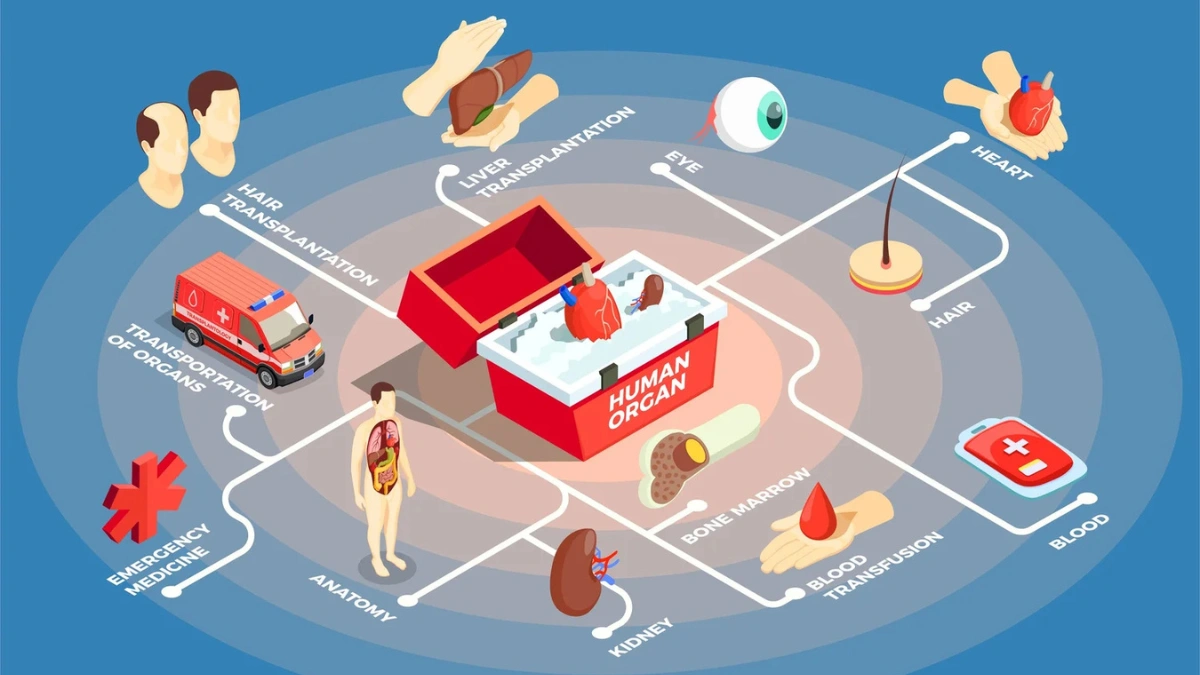
Discover the top hospitals worldwide for emergency organ transplants. Learn about success rates, specialized facilities, patient care, and how to access urgent transplant services.
Emergency organ transplants are life-saving procedures performed when a patient’s organ fails unexpectedly, requiring immediate intervention. Choosing the right hospital is crucial for survival, as success rates depend heavily on the facility’s infrastructure, experience, and available expertise. In this article, we explore the best hospitals worldwide for emergency organ transplants, their specialties, and what makes them stand out.
1. Understanding Emergency Organ Transplants
An emergency organ transplant occurs when a patient suffers acute organ failure and requires an immediate donor organ. The urgency depends on the organ affected, such as the liver, heart, lungs, or kidneys. Survival depends on quick response times, hospital efficiency, availability of organs, and post-operative care.
Key Points:
- Types of Transplants: Liver, kidney, heart, lung, pancreas, and combined organ transplants.
- Urgency Levels: Patients are often classified as critical or urgent based on organ failure severity.
- Survival Rates: Hospitals with higher transplant volumes typically have better outcomes.
2. Key Factors in Choosing the Right Hospital
When seeking an emergency organ transplant, consider the following:
- Accreditation and Certification: Look for hospitals certified by recognized authorities like UNOS (USA), NHSBT (UK), or equivalent national bodies.
- Transplant Volume and Experience: Hospitals performing a high number of transplants annually tend to have better outcomes.
- Availability of Specialized Teams: Multi-disciplinary teams of surgeons, anesthesiologists, immunologists, and support staff are critical.
- Success Rates: Published success rates for specific organ transplants indicate quality care.
- Emergency Response Infrastructure: ICU facilities, advanced surgical theaters, and 24/7 organ matching services.
3. Best Hospitals for Emergency Organ Transplants in the USA
The United States has some of the world’s leading transplant centers with advanced technology and high survival rates.
3.1 Mayo Clinic, Rochester, Minnesota
- Specialties: Kidney, liver, heart, lung, and combined organ transplants
- Highlights: Exceptional post-operative care, high transplant success rates, and 24/7 emergency transplant services
3.2 Cleveland Clinic, Ohio
- Specialties: Heart and liver transplants
- Highlights: One of the top centers for heart transplants; advanced immunology programs
3.3 Johns Hopkins Hospital, Baltimore, Maryland
- Specialties: Liver, kidney, heart, and lung transplants
- Highlights: Innovative transplant research programs and emergency organ allocation system
3.4 Massachusetts General Hospital, Boston
- Specialties: Kidney, liver, and heart transplants
- Highlights: High transplant volume and expert surgical teams
4. Leading Emergency Organ Transplant Centers in the UK
The UK has a robust NHS transplant network with several leading hospitals:
4.1 King’s College Hospital, London
- Specialties: Liver, kidney, and heart transplants
- Highlights: Known for rapid emergency transplant responses and cutting-edge technology
4.2 Queen Elizabeth Hospital, Birmingham
- Specialties: Liver and kidney transplants
- Highlights: Advanced ICU care and experienced transplant surgeons
4.3 Papworth Hospital, Cambridge
- Specialties: Heart and lung transplants
- Highlights: UK’s leading cardiothoracic transplant center
5. Top Hospitals for Organ Transplants in Canada
Canada’s healthcare system emphasizes timely access to emergency transplants:
5.1 Toronto General Hospital, Ontario
- Specialties: Heart, lung, liver, and kidney transplants
- Highlights: Highest transplant volume in Canada with excellent survival rates
5.2 Vancouver General Hospital, British Columbia
- Specialties: Liver and kidney transplants
- Highlights: Advanced surgical teams and rapid organ allocation protocols
6. Australia’s Premier Emergency Organ Transplant Facilities
Australia is recognized for its transplant expertise and research initiatives:
6.1 Royal Prince Alfred Hospital, Sydney
- Specialties: Liver, kidney, and heart transplants
- Highlights: State-of-the-art ICU and post-operative care
6.2 St Vincent’s Hospital, Melbourne
- Specialties: Kidney and liver transplants
- Highlights: 24/7 transplant emergency services and multidisciplinary team approach
7. Hospitals in Asia Leading in Emergency Transplants
Asia has several high-ranking hospitals known for rapid response in emergencies:
7.1 All India Institute of Medical Sciences (AIIMS), Delhi, India
- Specialties: Kidney, liver, heart, and bone marrow transplants
- Highlights: Government-supported organ allocation programs and highly experienced surgeons
7.2 Samsung Medical Center, Seoul, South Korea
- Specialties: Liver and kidney transplants
- Highlights: Cutting-edge transplant technology and emergency response teams
8. Specializations in Organ Transplants
8.1 Heart Transplants
- Best performed at hospitals with advanced cardiac ICUs and transplant cardiologists.
- Success rates are highest in centers performing >50 transplants annually.
8.2 Liver Transplants
- Rapid intervention is critical for acute liver failure.
- Hospitals with specialized hepatology units provide better outcomes.
8.3 Kidney Transplants
- Most common organ transplant worldwide.
- Dialysis availability before and after surgery is crucial.
8.4 Lung Transplants
- Requires specialized respiratory ICU and experienced thoracic surgeons.
9. Preparing for an Emergency Organ Transplant
- Know the nearest transplant center with 24/7 emergency services.
- Keep medical records updated for rapid evaluation.
- Join national organ waiting lists if eligible.
- Understand insurance coverage and emergency funding options.
10. FAQs
Q1: What qualifies as an emergency organ transplant?
A1: An emergency transplant is needed when organ failure is life-threatening, and immediate surgery is required.
Q2: Which organ transplants have the fastest emergency response?
A2: Heart, liver, and lung transplants usually require the quickest response due to acute failure risks.
Q3: Can anyone receive an emergency organ transplant?
A3: Eligibility depends on medical condition, organ availability, and national organ allocation policies.
Q4: How are organs allocated in emergencies?
A4: Hospitals follow strict allocation guidelines prioritizing urgency, blood type, and compatibility.
Q5: What factors increase transplant success rates?
A5: Hospital experience, transplant volume, post-operative care, and patient’s overall health are critical factors.
