
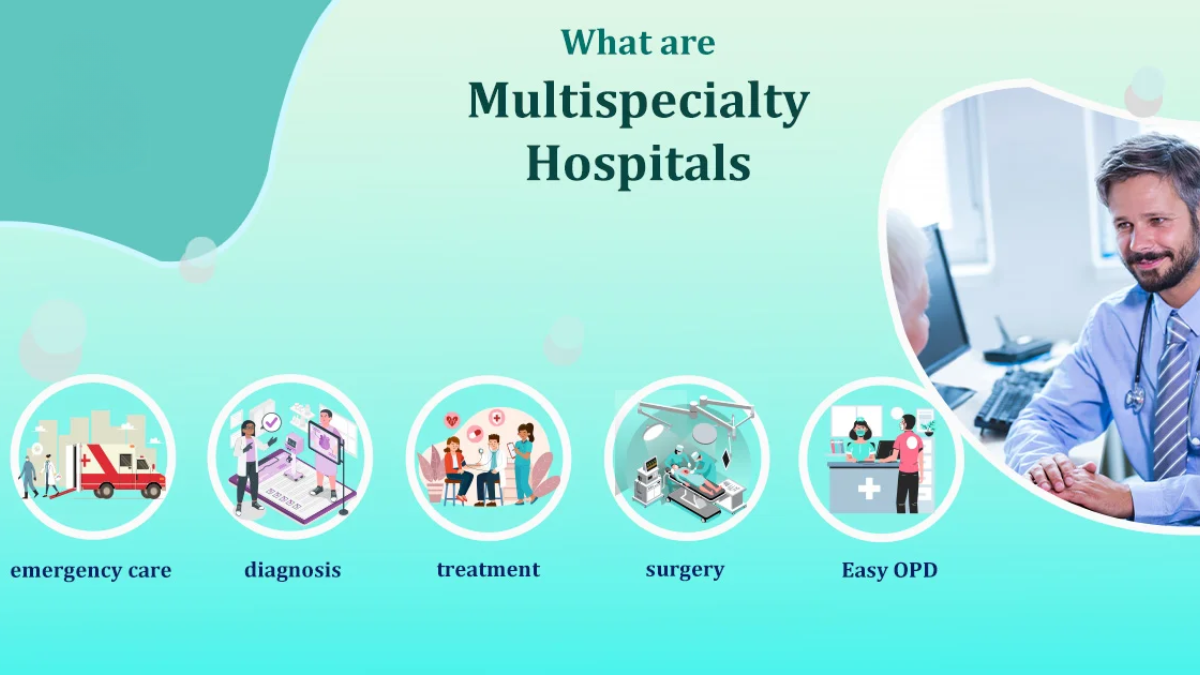
Multispeciality hospitals have become cornerstones of contemporary healthcare, combining multiple medical disciplines under one roof. These institutions offer comprehensive, integrated care, enabling patients to access a wide range of specialists, advanced diagnostics, and cutting-edge treatment options in a single location.
In today’s fast-paced world, health concerns are often complex and interrelated. A patient may require care from cardiologists, neurologists, endocrinologists, and more — all coordinated seamlessly. Multispeciality hospitals meet this need, offering holistic solutions that save time, enhance outcomes, and improve patient experiences.
This article explores why multispeciality hospitals are indispensable in modern medicine and how they continue to evolve healthcare standards.
What Is a Multispeciality Hospital?
A multispeciality hospital is a medical institution housing various departments and specialties, such as cardiology, orthopedics, neurology, gastroenterology, oncology, pediatrics, and more. Unlike single-specialty clinics, they offer:
- Integrated diagnostics and treatment
- Coordinated care between departments
- Access to advanced surgical and medical interventions
- Centralized patient management
These hospitals ensure that patients receive comprehensive and personalized care without the need to visit multiple facilities.
Comprehensive Patient Care
The hallmark of multispeciality hospitals is their ability to manage complex medical cases. Patients with multiple health issues — for instance, diabetes with heart disease — can receive care from all relevant specialists simultaneously.
Advantages include:
- Faster diagnosis through integrated tests
- Coordinated treatment plans
- Reduced risk of conflicting medications
- Continuous monitoring by multidisciplinary teams
This holistic approach ensures better outcomes and improved patient satisfaction.
Advanced Diagnostics and Technology
Multispeciality hospitals invest heavily in state-of-the-art diagnostic tools. Modern imaging, lab facilities, and AI-powered diagnostics allow early detection and precise evaluation of diseases.
Common technologies include:
- MRI and CT Scanners
- Digital X-rays
- Robotic surgery systems
- AI-assisted imaging analysis
- Genomic and molecular diagnostics
Such advanced technology enables specialists to make informed decisions quickly, critical for modern healthcare.
Multidisciplinary Teams
Collaboration is key. Multispeciality hospitals employ teams of specialists, nurses, physiotherapists, dietitians, and counselors who work together to treat patients comprehensively.
Benefits include:
- Integrated care pathways for complex diseases
- Regular case discussions and reviews
- Personalized rehabilitation programs
- Improved communication between departments
This teamwork transforms healthcare delivery from fragmented care to cohesive, patient-centered care.
Emergency and Critical Care Support
Many multispeciality hospitals feature 24/7 emergency and critical care units, equipped to handle trauma, cardiac arrests, strokes, and severe infections.
Emergency features include:
- Advanced ICU setups
- Rapid response teams
- Ambulance networks
- AI-supported triage
Such readiness ensures patients receive immediate, life-saving interventions, reinforcing the hospital’s role as a reliable backbone of healthcare.
Specialized Departments
A defining feature of multispeciality hospitals is the presence of diverse specialties under one roof:
- Cardiology for heart-related conditions
- Neurology & Neurosurgery for brain and nerve disorders
- Orthopedics for bone and joint care
- Oncology for cancer treatment
- Gastroenterology for digestive health
- Pediatrics & Neonatology for child care
- Endocrinology for hormone-related issues
This breadth ensures patients can access multiple expert opinions and treatments efficiently.
Integrated Patient Management Systems
Digital integration is central to modern multispeciality hospitals. Electronic Health Records (EHRs) and hospital management software allow seamless communication among departments.
Advantages include:
- Centralized medical records
- Efficient appointment scheduling
- Streamlined billing and insurance processing
- Data-driven decision-making
Such systems minimize errors, improve efficiency, and enhance the patient experience.
Focus on Preventive Healthcare
Multispeciality hospitals are not limited to treatment — they emphasize preventive care through screenings, health check-ups, and lifestyle counseling.
Initiatives include:
- Annual wellness packages
- Cardiac and diabetic risk assessment
- Cancer screening camps
- Nutritional and fitness guidance
Preventive measures reduce disease incidence and improve long-term community health.
Research and Clinical Trials
Many multispeciality hospitals serve as research centers, conducting clinical trials, studies, and medical innovations. These efforts:
- Advance new treatments and therapies
- Provide patients access to cutting-edge interventions
- Strengthen evidence-based practice
By combining care with research, these hospitals push the boundaries of modern medicine.
Patient Experience and Comfort
Hospitals today prioritize comfort, privacy, and convenience. Features enhancing patient experience include:
- Private or semi-private rooms
- Patient-friendly layouts and wayfinding
- Digital communication with doctors
- On-site cafeterias, pharmacies, and counseling centers
A comfortable environment reduces stress, enhances recovery, and improves overall satisfaction.
Mental Health Support
Recognizing the psychological impact of illness, multispeciality hospitals integrate mental health services.
Services include:
- Counseling for patients and families
- Stress and anxiety management programs
- Psychiatric support for chronic illnesses
- Support groups for cancer, cardiac, or pediatric patients
This holistic approach ensures mind and body recovery together.
Training and Education
Multispeciality hospitals are centers for medical education, training residents, interns, and nurses. Continuing education programs and workshops maintain high standards of care.
Benefits include:
- Skilled workforce
- Updated treatment protocols
- Research-driven practices
- Knowledge sharing among specialists
Such initiatives ensure sustainability and excellence in healthcare.
Community Engagement
Beyond medical care, multispeciality hospitals engage with communities via:
- Health awareness campaigns
- Free medical camps
- Blood donation drives
- Wellness workshops
These efforts strengthen the relationship between hospitals and communities, promoting healthier populations.
Telemedicine and Remote Access
Many hospitals now offer telehealth services, enabling patients to consult specialists without traveling.
Advantages:
- Access for rural or remote patients
- Continuity of care for chronic conditions
- Efficient follow-ups
- Cost-effective consultations
Telemedicine extends the hospital’s reach and impact beyond physical boundaries.
Challenges Faced
Operating a multispeciality hospital comes with challenges:
- High operational costs
- Coordination among multiple departments
- Technology integration
- Managing patient expectations
Addressing these requires strong management, advanced IT systems, and skilled human resources.
The Future of Multispeciality Hospitals
The next generation of hospitals will be:
- AI-integrated for predictive diagnostics
- Fully connected via IoT
- Personalized with genomic medicine
- Sustainable and green
- Focused on preventive and holistic care
These institutions will remain the backbone of modern medicine, providing comprehensive solutions to complex healthcare needs.
FAQs
Q1. What is a multispeciality hospital?
A hospital with multiple medical departments offering integrated, comprehensive care under one roof.
Q2. How do multispeciality hospitals benefit patients?
They provide coordinated care, advanced diagnostics, and access to multiple specialists efficiently.
Q3. Do they offer preventive healthcare?
Yes, through screenings, wellness programs, and lifestyle guidance.
Q4. Why is mental health integrated in such hospitals?
Because emotional well-being is critical for overall recovery and quality of life.
Q5. What is the future of multispeciality hospitals?
AI, telemedicine, sustainable infrastructure, and personalized medicine will define the next era.
